
Congratulations to our 2026 Shortlist
Don’t forget to vote now.
Sponsored by

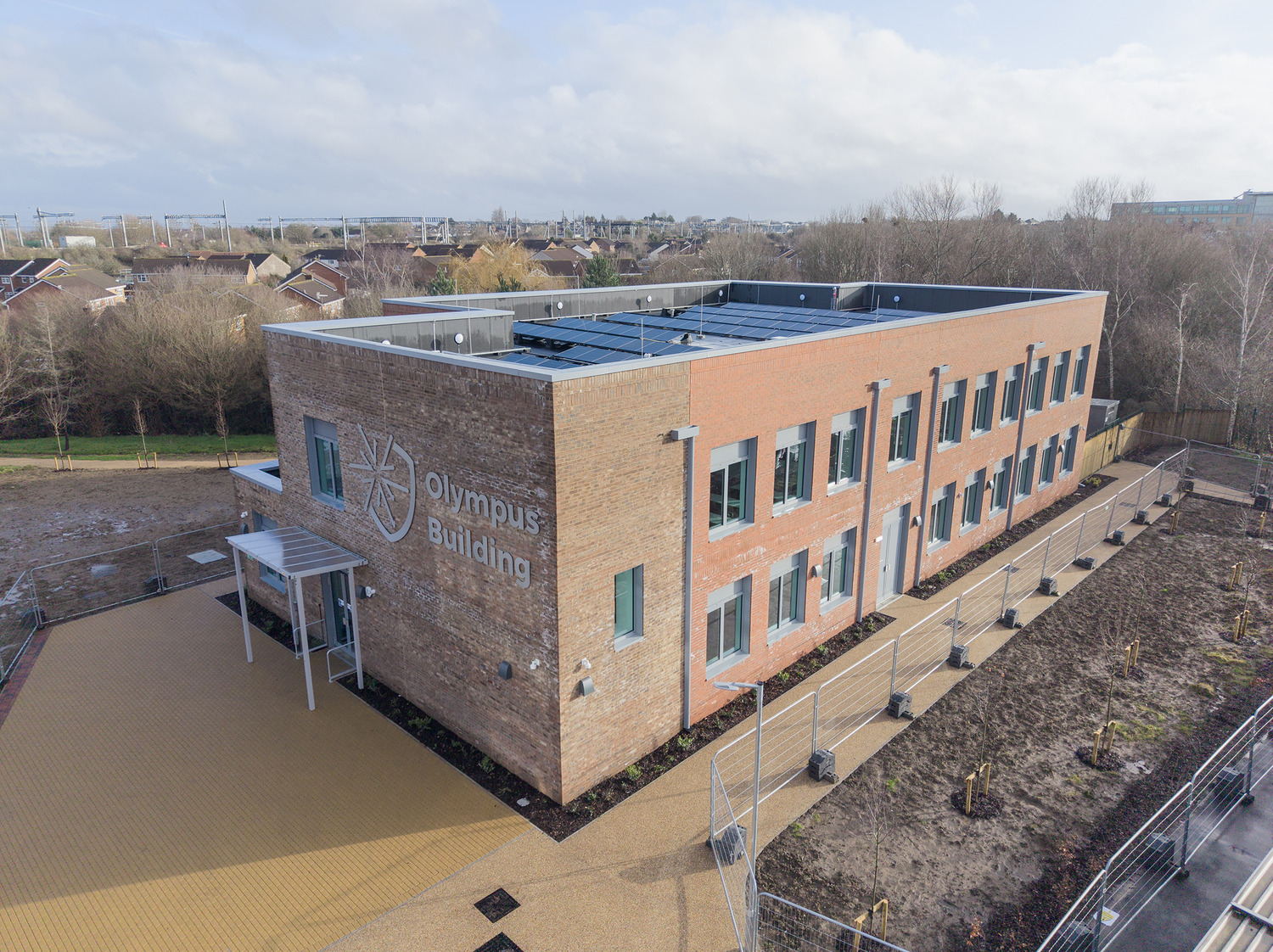
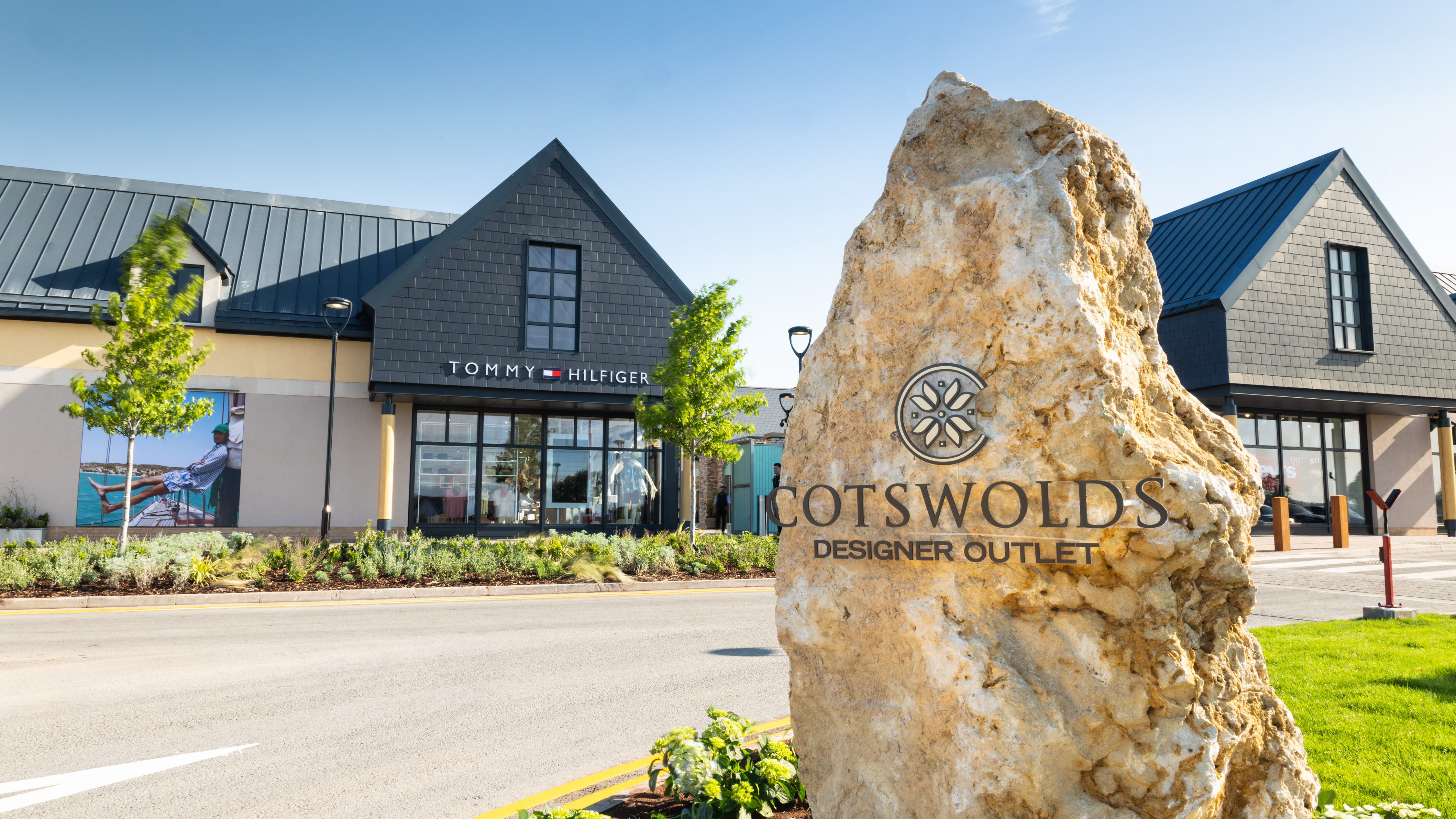
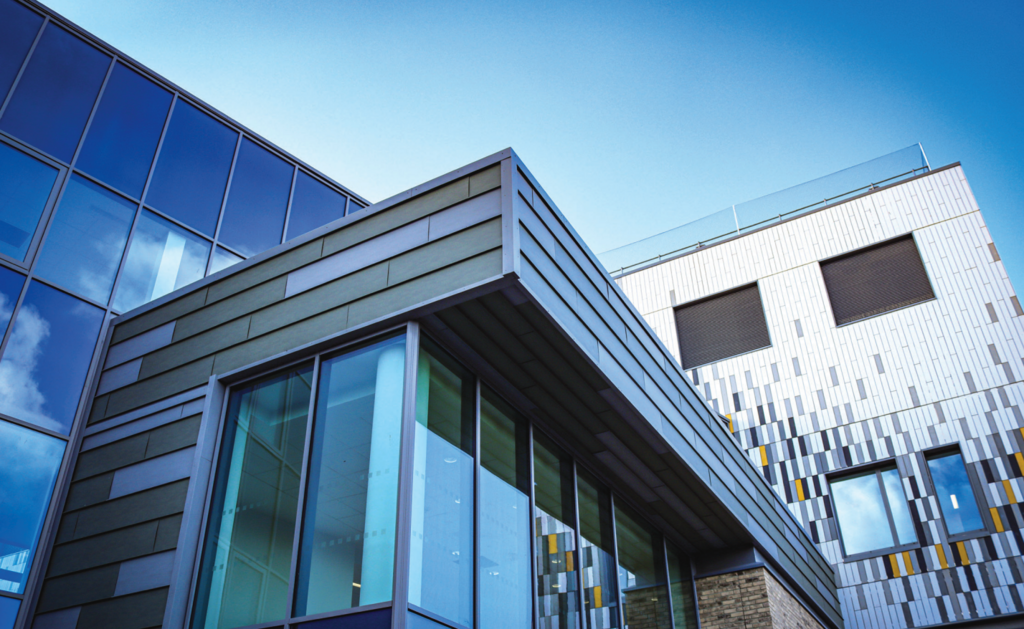
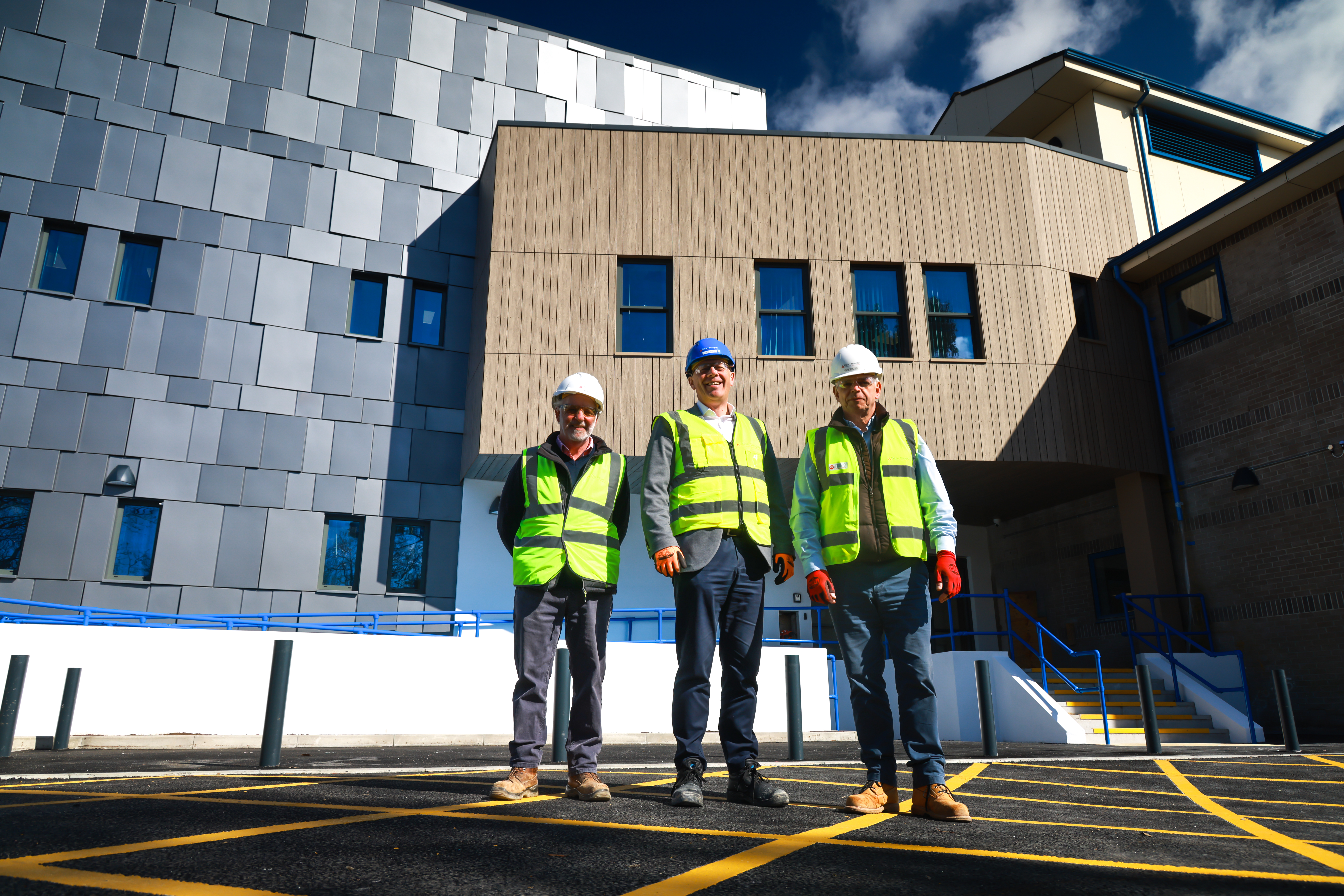
The Surgical centre project is the cumulation of many years of careful strategic planning and delivery of 14 enabling projects across the estate to pave the way for this cornerstone building and continued implementation of the wider strategic plan. The delivery of these projects began on site in 2019 , with the Surgical centre starting on site in July 2023. The purpose of the scheme was to create a new state of the art Surgical Centre that would replace the former hospital theatres and critical care unit, which were built during the Second World War as part of a temporary casualty evacuation hospital for the D-Day landings. This significant investment in the region’s healthcare infrastructure was designed to deliver a world-class facility.
- Six endoscopy rooms, patient recovery and clinical support areas
- Eight operating theatres (including two state-of-the-art hybrid operating theatres that can be used for both surgery and interventional radiology), recovery areas and clinical support.
- 22 critical care beds, all specified for level 2 and 3 critical care patients Recently named The Kings Building, represents the pinnacle of project excellence, not only in its final form but in the extraordinary journey required to deliver it.
Sponsored by

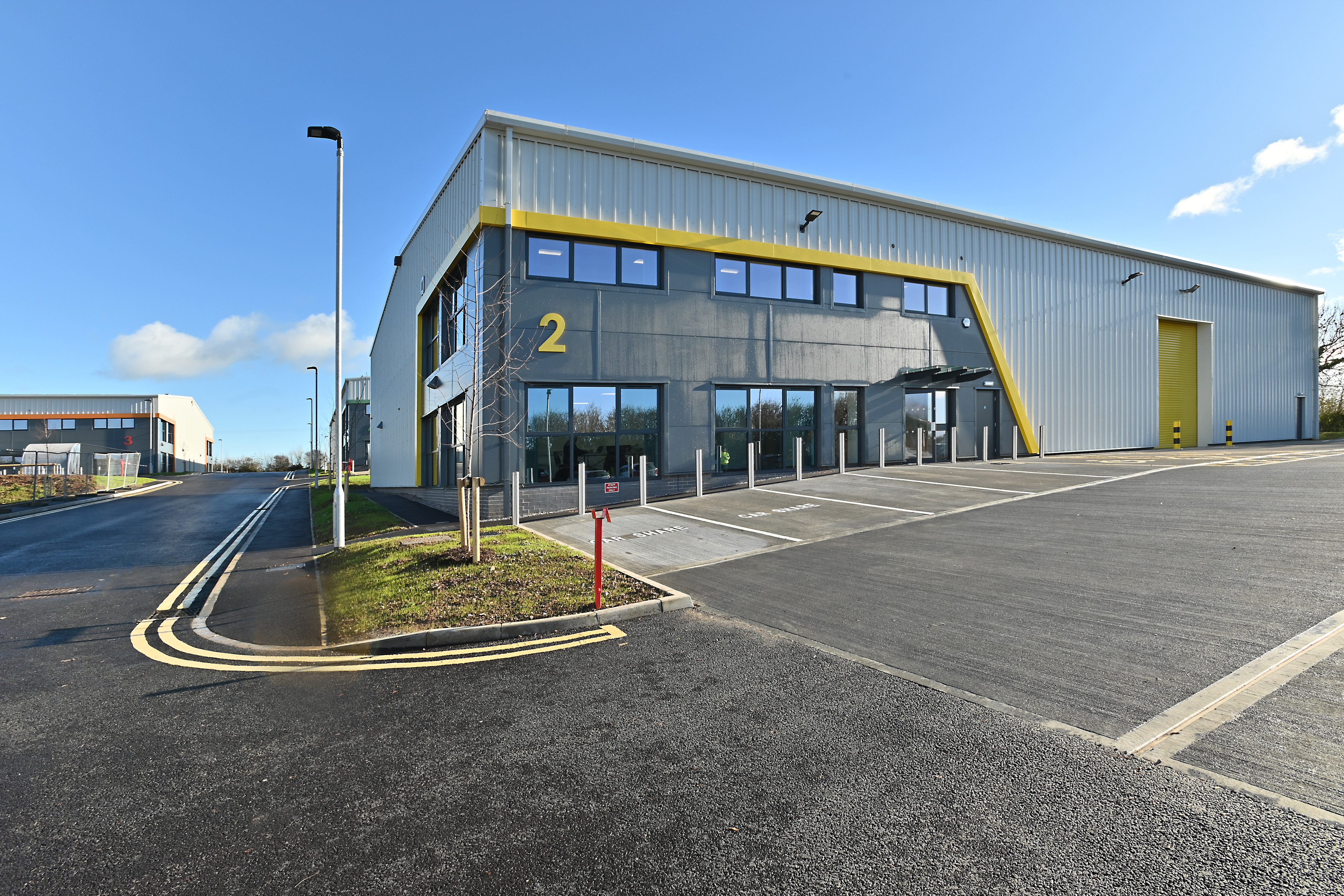
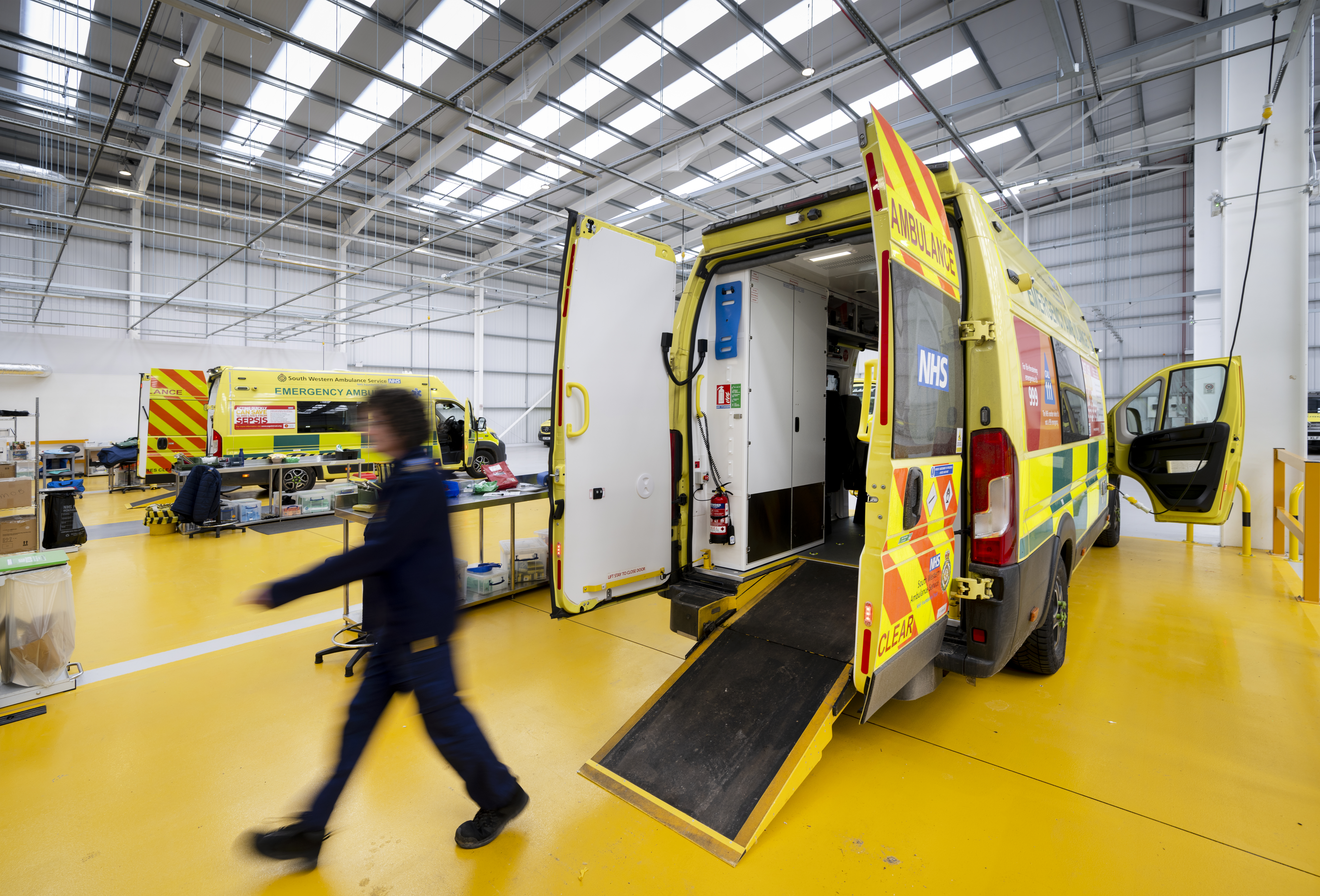
The SWAST Expansion Project is a flagship infrastructure scheme delivered for the Southwestern Ambulance Service NHS Foundation Trust in Ferndown. The project transformed an existing warehouse into a modern, dual-purpose hub, doubling the capacity of the internal mezzanine to provide high-specification clinical support and staff wellbeing facilities focused on ensuring Ambulances and Paramedics across Dorset are prepared for their upcoming shift. This project deserves Building Project of the Year because it successfully delivered mission-critical emergency infrastructure and proved that this flagship model of a new Main Operating Base can serve the whole of Dorset. This project effectively replaced the current operations of three Ambulance stations into one, whilst significantly increasing Ambulance uptime (response availability) It demonstrates how technical precision—such as building a Home Office-standard drugs room—can be balanced with a deep commitment to paramedic mental health and environmental sustainability.
Three Key Facts That Make This Project Stand Out:
- Client Engagement and Delivery: Working closely with the Ambulance Service to deliver a pioneering flagship model exactly to their requirements.
- Specialist Engineering: Seamless integration of a complex 40-vehicle electrical containment system for ambulance charging alongside a high-security, Home Office-compliant clinical drugs room.
- Exceptional Professionalism: Achieved a near-perfect Considerate Constructors score of 44/45, reflecting an elite level of site safety, community engagement, and environmental stewardship.
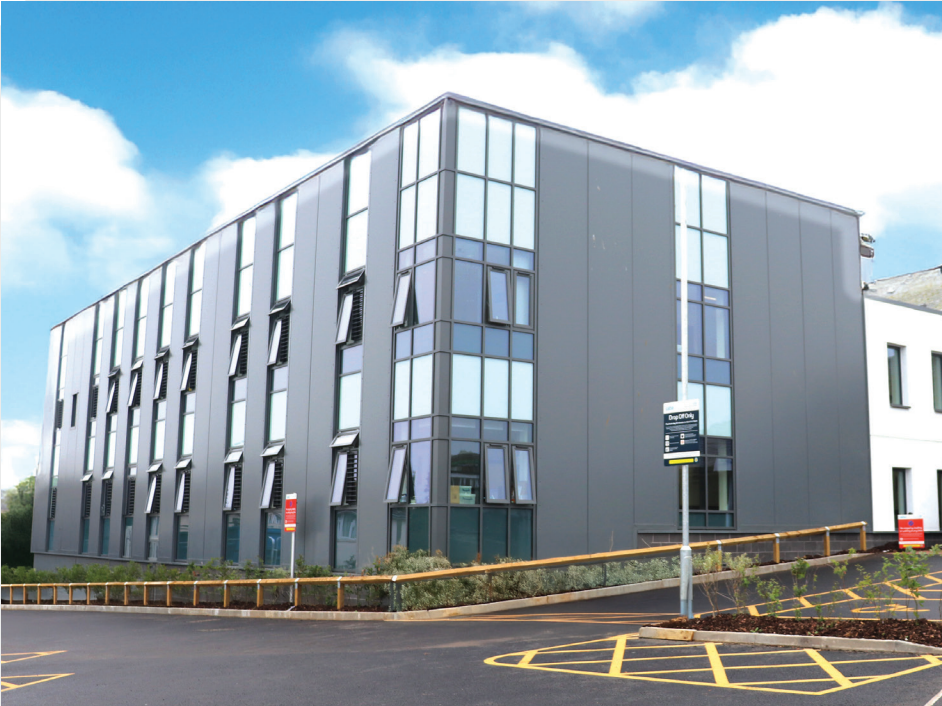
The West Cornwall Hospital Outpatient Department redevelopment has transformed a deteriorating, non compliant facility into a modern, accessible, and future proof clinical environment serving communities across West Cornwall and the Isles of Scilly. The previous outpatient building was no longer fit for purpose: corridors were too narrow for modern wheelchairs, clinical and administrative spaces were severely constrained, and patients faced long, difficult journeys from distant parking areas—particularly challenging for those with mobility issues. Delivered within the approved £9.1m budget and completed on time, the new department now supports 71 consultants and approximately 40,000 patient visits each year. The project provides 17 treatment and consultation rooms, an observation room, dedicated drug storage, staff facilities, accessible toilets, and a new Changing Places facility. Light, welcoming reception and sub waiting areas have been designed to improve patient flow and enhance the overall experience. Sustainability was embedded from the outset, with a solar panelled roof and ambient heating system reducing carbon emissions and operational costs. Constructed within a live hospital environment and in close proximity to residential areas, the project was delivered with zero incidents—an exceptional achievement given the complexity of the site. This project deserves recognition as Building Project of the Year because it has delivered a safe, modern, and dignified healthcare setting for the people of Penzance and beyond, dramatically improving accessibility, clinical capacity, and staff working conditions.
Three standout facts:
- Delivered on time, on budget, and with zero incidents in a live hospital environment
- Provides modern, compliant clinical spaces supporting 40,000 patient visits annually
- Significantly improves accessibility, including a new Changing Places facility and fully compliant consultation rooms
Sponsored by
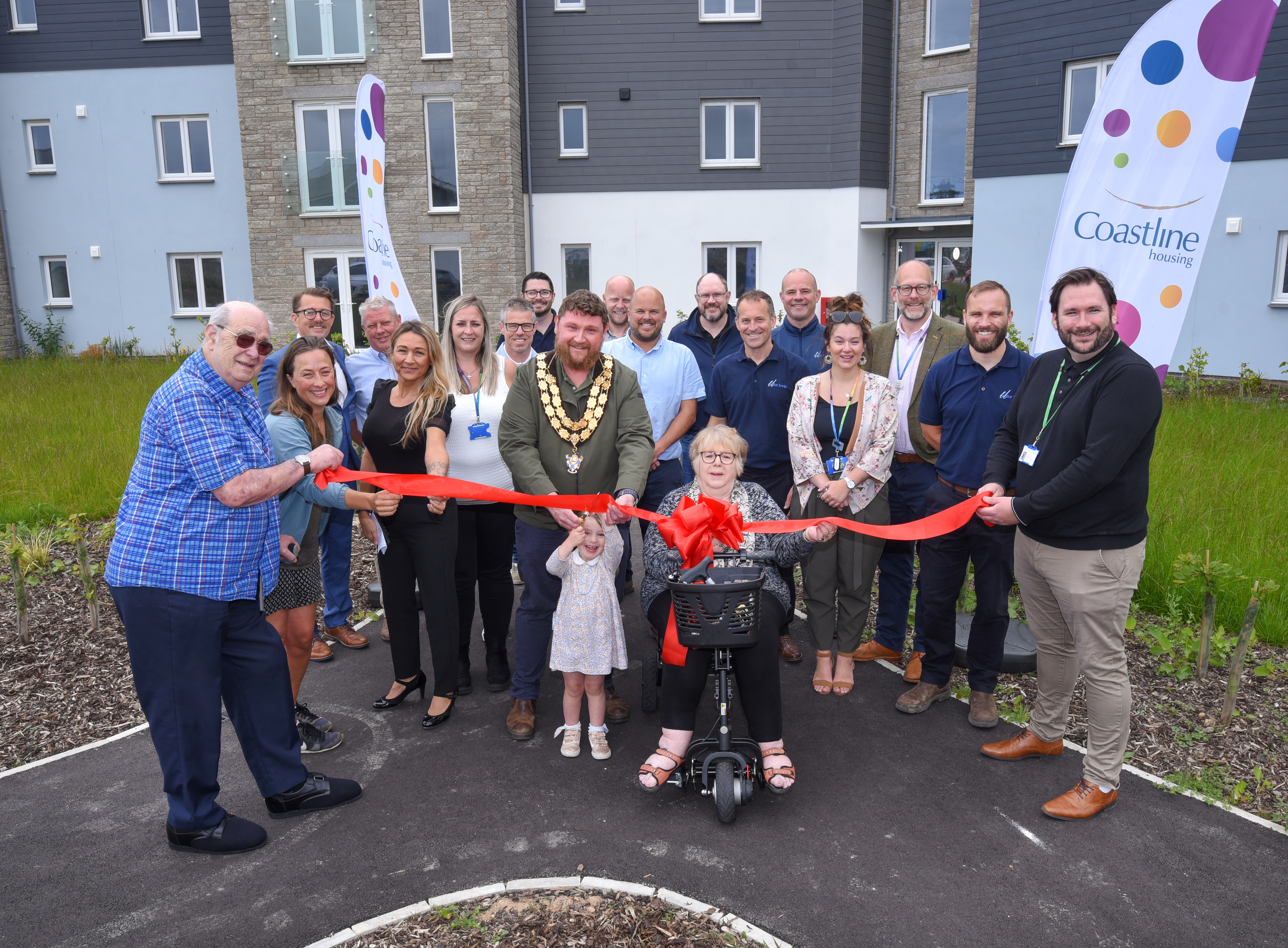
Coastline Housing is a charitable, not-for-profit housing association committed to tackling Cornwall’s housing crisis by delivering safe, secure and affordable homes where they are most needed. The Coastline Plan 2025–2030 underpins this mission, and Quintrell Rise demonstrates its delivery in practice. Developed over nine years from 2016, the scheme provides 140 high-quality homes across affordable rent, shared ownership, rent-to-buy and open-market tenures. It also includes 28 Older Persons’ flats (55+) with lift access and shared facilities that support comfort and independent living. The development is landscape-led, featuring green spaces, pedestrian-friendly routes and a modern communal ground-source heat network that delivers efficient, affordable and renewable heating. Despite major challenges—including over 500 design clashes, contractor insolvency and COVID-19—Coastline showed strong leadership and effective stakeholder coordination. The organisation stabilised delivery during disruption, maintained robust governance and sustained progress through clear, practical decision-making. Classic Builders, stepping into their largest residential project to date, praised Coastline’s clear documentation, consistent leadership and collaborative, solutions-focused approach that enabled rapid mobilisation and steady delivery.
Three factors distinguish Coastline:
- Mission-led leadership, consistently aligning decisions with addressing Cornwall’s housing need.
- Strong client stewardship, ensuring quality, safety and programme coherence across a complex, multi-tenure scheme.
- Safe innovation at scale, successfully integrating a low-carbon heat network that supports environmental goals and long-term affordability.

Mid Devon District Council (MDDC) stands out as a winning Client of the Year entry because it has shown that strong public-sector leadership can unlock high-quality, low-carbon affordable housing on sites that traditional delivery often overlooks. Through Crofts House and its wider modular housing programme, MDDC has treated innovation as a long-term strategy, not a one-off pilot. It has prioritised whole-life value over lowest capital cost, created the conditions for collaboration through transparent framework procurement, and backed quality, digital delivery and sustainability from the outset. This has enabled the delivery of homes that are faster to build, lower to run, easier to maintain and better for residents and communities. Crucially, MDDC has translated this approach into a repeatable model for rural housing delivery across Mid Devon.
Three key facts that make MDDC stand out:
- It leads with long-term value, not lowest price — using transparent procurement and early collaboration to prioritise quality, sustainability and social value.
- It has turned MMC into a scalable housing strategy — with Crofts House helping underpin a pipeline of 143 more homes across 11 rural micro-sites.
- It delivers measurable outcomes — including over 90% local support, 100% resident satisfaction, and a 5.53:1 benefit-cost ratio at Crofts House.
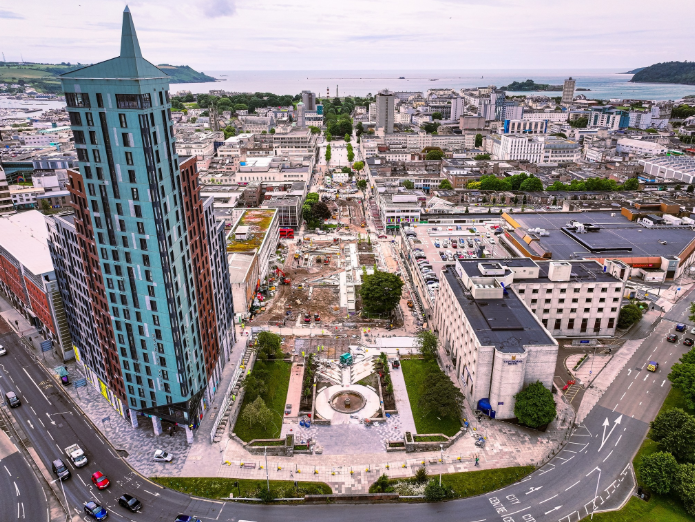
Plymouth City Council (PCC) serves over 262,700 residents. It is a major employer with over 2,500 staff and manages over 300 services. PCC prioritises economic growth, improving public health, and reducing social inequalities. It is transforming the city centre through partnerships with Homes England and private contractors with projects expecting to create 25,000 job opportunities in Plymouth by 2035. PCC are leading a programme of works under the ‘Better Places Programme,’ designed to reverse years of under-investment, enhance the city’s streets and spaces, and attract further investment in retail, leisure, employment, and housing. Construction was split into separate projects and all delivered by Morgan Sindall Construction (MSC):
- Civic Square – completed
- Old Town New George Street – completed and delivered 6 weeks early
- Armada Way – on site and due to complete summer 2026.
- Royal Parade – completed and delivered 5.5 weeks early
Fact: Co-location of PCC, the design team and MSC on site ensured direct collaboration at the source, resulting in faster, more collaborative decision making.
Fact: Zero service strikes on Old Town & New George Street. Working in a live public space where weekly footfall exceeded 200,000 in addition to extensive city centre buried services and obstructions.
Fact: PCC delivered quarterly lectures, workshops and site tours for University of Plymouth, held primary school visits (69 hours). KPI’s were met for local labour sourced within 20 miles of site (82% - Old Town New George Street), 79% (Armada Way) of contracts were awarded to SMEs.
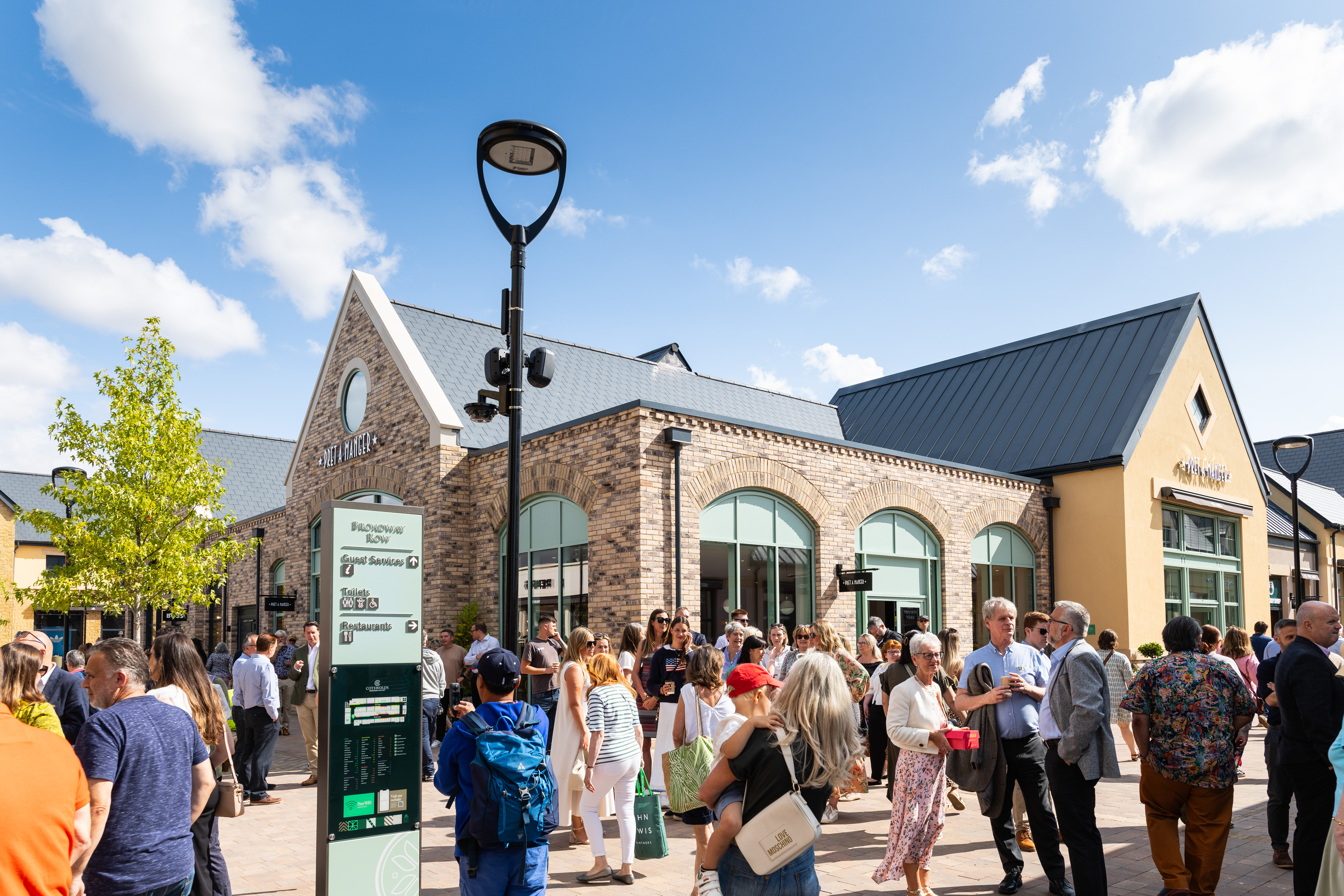
Robert Hitchins, the visionary family-owned developer behind Cotswold Designer Outlet, exemplified effective leadership and progressive client practice at every stage of this flagship regeneration project. Over a decade, they transformed 300 acres of farmland at the gateway to the Cotswolds into a vibrant, sustainable retail, leisure and living destination, placing collaboration, fairness, and long-term community benefit at the heart of delivery. From inception, Robert Hitchins embedded collaboration, transparency, and sustainability into every aspect of the project. The team was strategically assembled based on shared values, including B Corp-certified architects Roberts Limbrick and operator Multi-Realm, supported by project managers Currie & Brown and contractor Bouygues UK. All partners were selected for their commitment to excellence, sustainability, and social responsibility.
- Unwavering Collaboration: Robert Hitchins fostered a truly integrated team, ensuring open communication and joint decision-making across all partners, resulting in a seamless, dispute-free delivery.
- Ethical Procurement & Local Impact: The project was fully client-funded, guaranteeing fair payment terms throughout the supply chain. Over £1 million was spent in the direct local vicinity and £30m within a 50 mile radius. 36% of the workforce was locally sourced, supporting regional economic growth and over 350 new jobs.
- Sustainability & Community Focus: From fabric-first design and zero-waste-to-landfill to enhanced biodiversity and a robust green travel plan, the project prioritised long-term value for people and planet while supporting Tewkesbury’s tourism economy. Robert Hitchins’ approach showcases how ethical, collaborative leadership can deliver lasting social, economic, and environmental value.
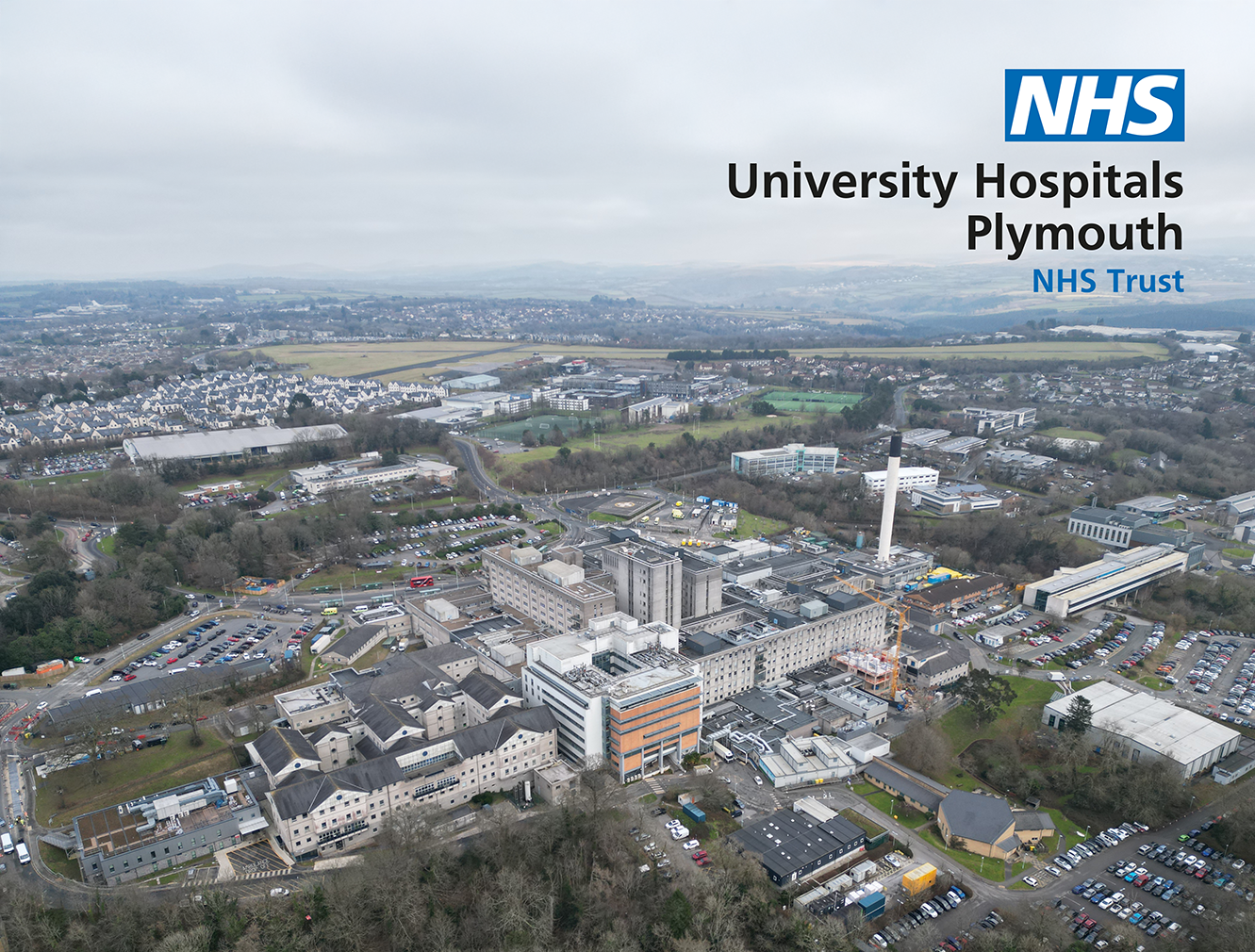
University Hospitals Plymouth NHS Trust (UHP) is a leading healthcare organisation delivering services across Plymouth, Devon and Cornwall, supported by a capital investment programme that is transforming healthcare infrastructure and patient outcomes. Through initiatives such as the Future Hospital Programme, the Trust is investing circa £90m this year alone in construction work procurement, creating modern, sustainable facilities and innovative care environments that improve lives across the region. What makes this submission so strong is the Trust’s outstanding commitment to collaboration, fairness, and long-term value. They have created a highly supportive environment for contractors and the wider supply chain, ensuring projects are delivered to high standards but also in a way that strengthens local businesses and the regional economy. Their leadership goes beyond project delivery, they actively enable growth, stability, and opportunity across their community. As one of Plymouth’s largest investors, the Trust plays a critical role in supporting local employment, developing skills, and sustaining a diverse supply chain. Their inclusive, transparent, and forward-thinking approach has made them a trusted and valued client, setting a benchmark for how public sector organisations can positively impact both industry and community.
Three Key Facts:
- One of the largest public sector investors in Plymouth, consistently supporting local businesses, SMEs, and the wider supply chain.
- Actively fosters strong, long-term relationships with contractors and stakeholders, creating a culture of trust, fairness, and shared success.
- Leading significant healthcare transformation through sustainable, innovative developments that improve patient care while supporting long-term community and environmental outcomes.
Sponsored by

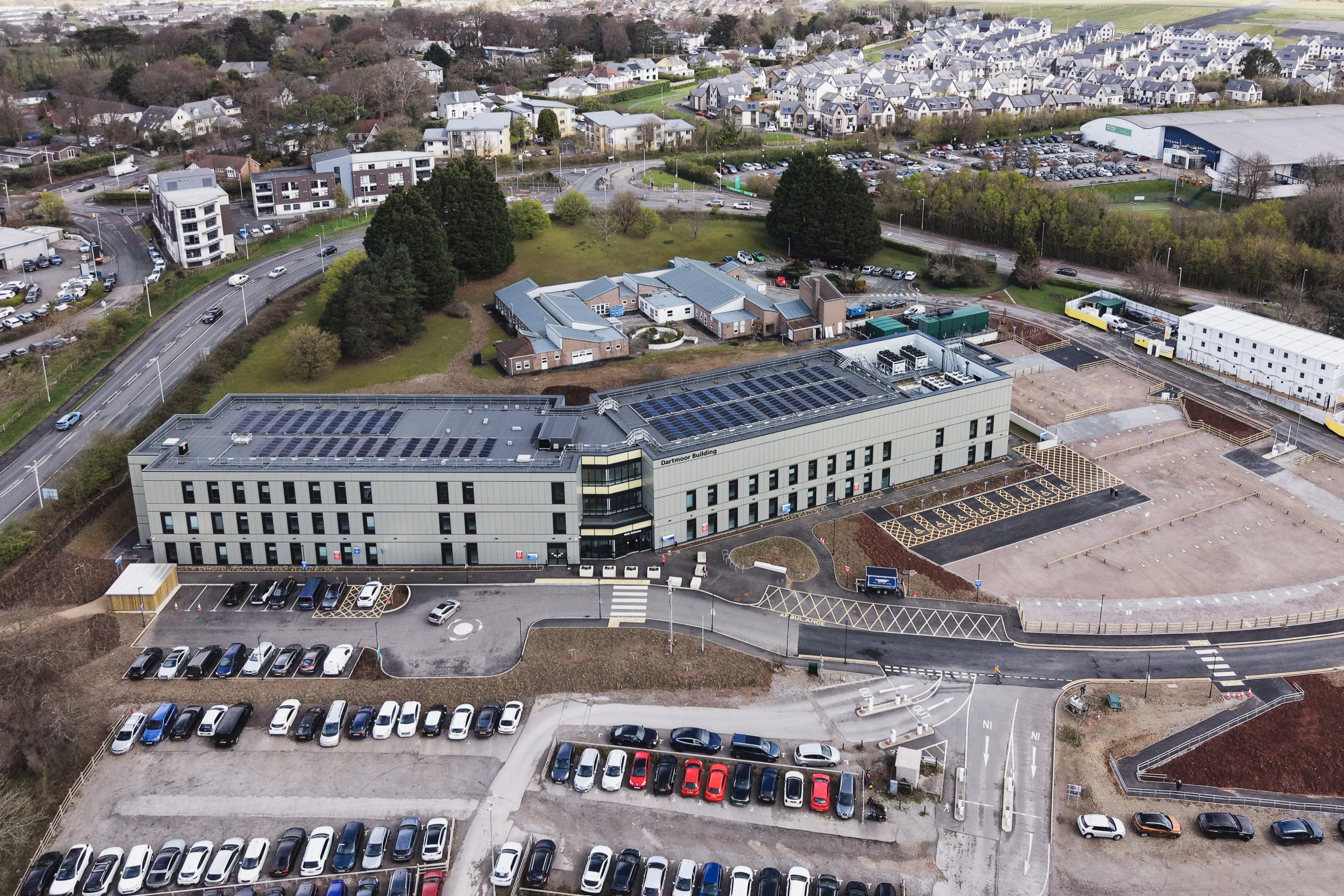
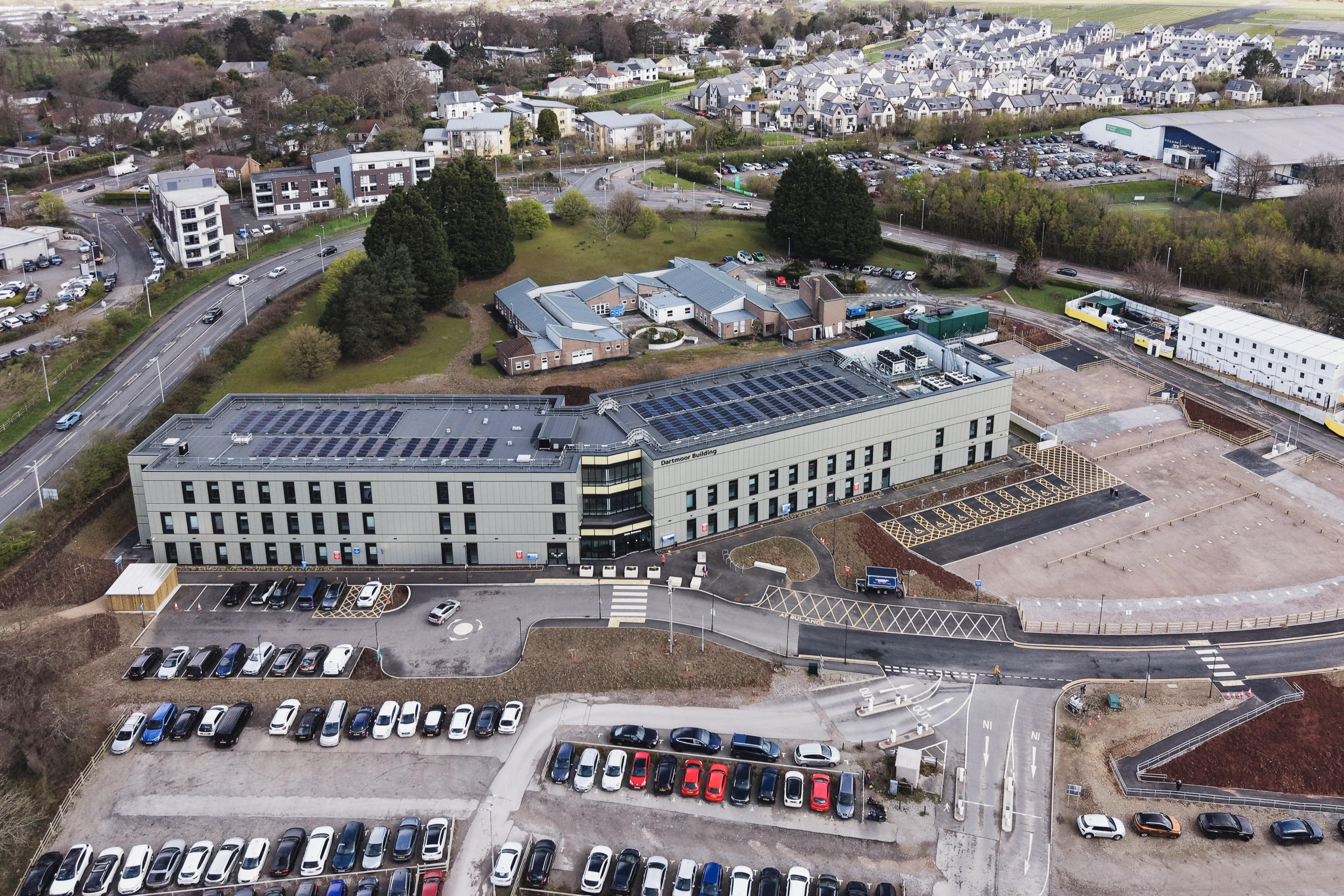
The Dartmoor Building at Derriford Hospital stands as a legacy achievement, fundamentally transforming emergency care delivery while setting a new national benchmark for speed, integration, and patient-centred design in live healthcare environments. This transformative £38m three storey, 7500m2 new build healthcare facility redefines urgent and emergency care across the region, integrating the Urgent Treatment Centre, Fracture Clinic, Outpatients and Pre-Operative Assessment into a single, purpose-built environment designed to improve patient flow, relieve pressure on the main Emergency Department and enhance both patient and staff experience. The new building now serves between 600 and 1000 people a day. Delivered in just 18 months on a live hospital site, the project sets a new benchmark for how clinically-led healthcare infrastructure can be delivered at pace without compromising safety, quality or sustainability. It forms a critical part of the Trust’s long-term strategy to meet NHS performance targets and improve emergency care outcomes. A defining strength was the alignment of all stakeholders around a shared clinical vision. The NHS Trust, clinicians, designers and supply chain operated as a fully integrated team, enabling rapid decision-making, continuous design evolution and a facility that directly responds to operational need. The result is a highly efficient, future-ready building that enhances patient pathways, improves staff wellbeing and provides a replicable model for fast-track healthcare delivery.
Key Highlights:
- Pace: Delivered within a 18 month programme on a live hospital site
- Integration: Clinically-led, fully aligned delivery model
- Impact: Serves 600–1000 people daily, improving flow and supporting NHS targets
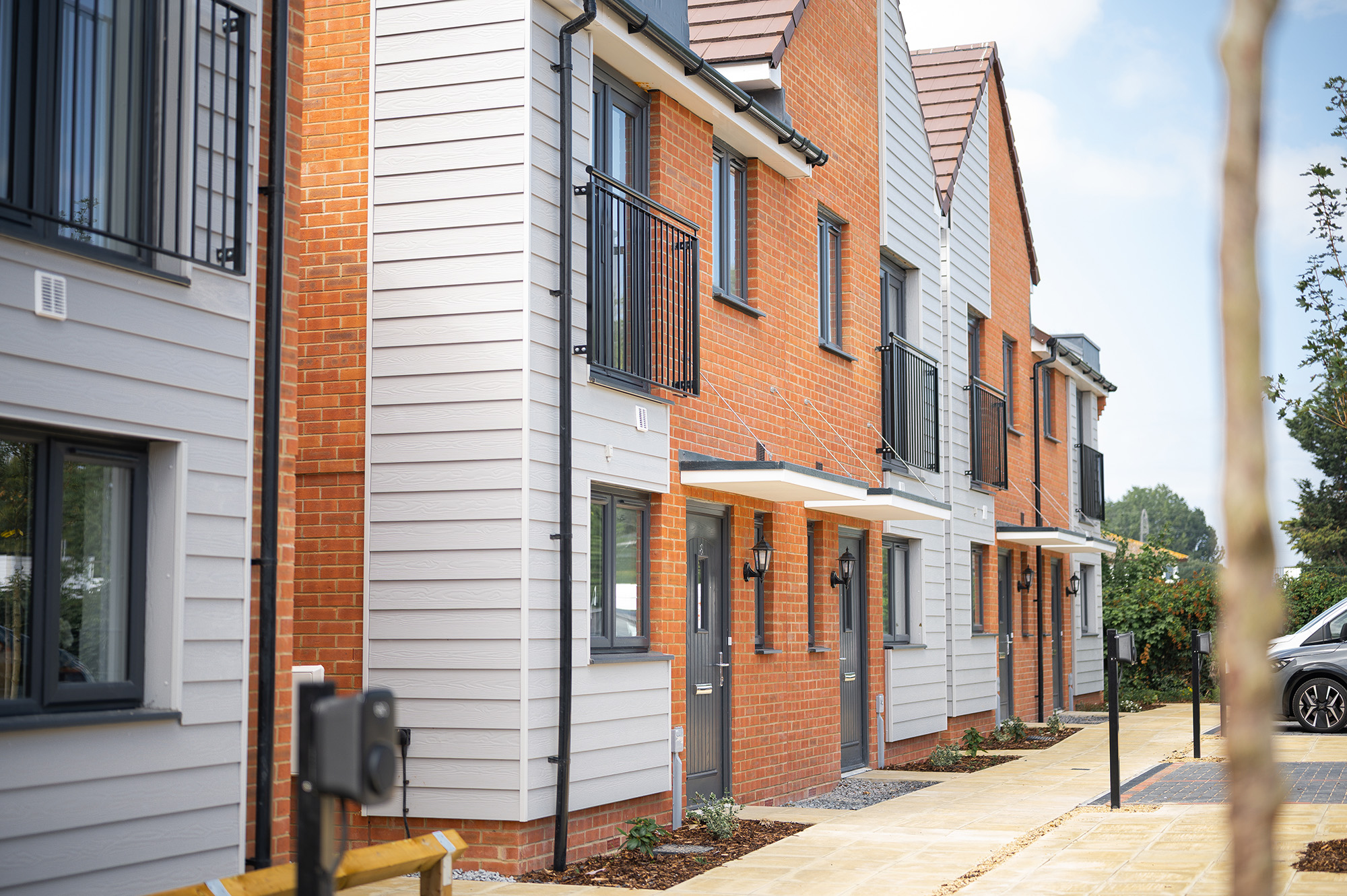
The client defined value not only in terms of cost and delivery, but through a focus on quality, sustainability and responsible construction within a sensitive community setting.
- Abri issued a detailed handover specification setting clear expectations for the quality of the completed homes.
- While the specification itself was not unusual in scope, the level of finish and quality assurance required exceeded typical industry benchmarks for comparable social housing developments.
- The client emphasised delivering homes that would perform well for residents over the long term, including the use of energy efficient systems and sustainable construction approaches.
- The use of timber frame construction supported improved build efficiency and reduced embodied carbon within the development.
- Sustainable technologies including air source heat pumps and mechanical ventilation with heat recovery were incorporated to support energy efficiency and resident comfort.
- The client also placed significant emphasis on minimising disruption to the surrounding community, particularly due to the site's location adjacent to Bridgwater Academy campus (4 schools).
- Construction activities were carefully managed to reduce noise and disruption during school operations.
- During school examination periods the contractor voluntarily suspended noisy works to protect the school environment, despite the programme and cost implications.
- Environmental protection measures were also required through planning conditions to safeguard existing trees and biodiversity areas on the site.
- The successful delivery of high-quality homes while maintaining positive relationships with neighbours and the adjacent school environment was a key measure of value).
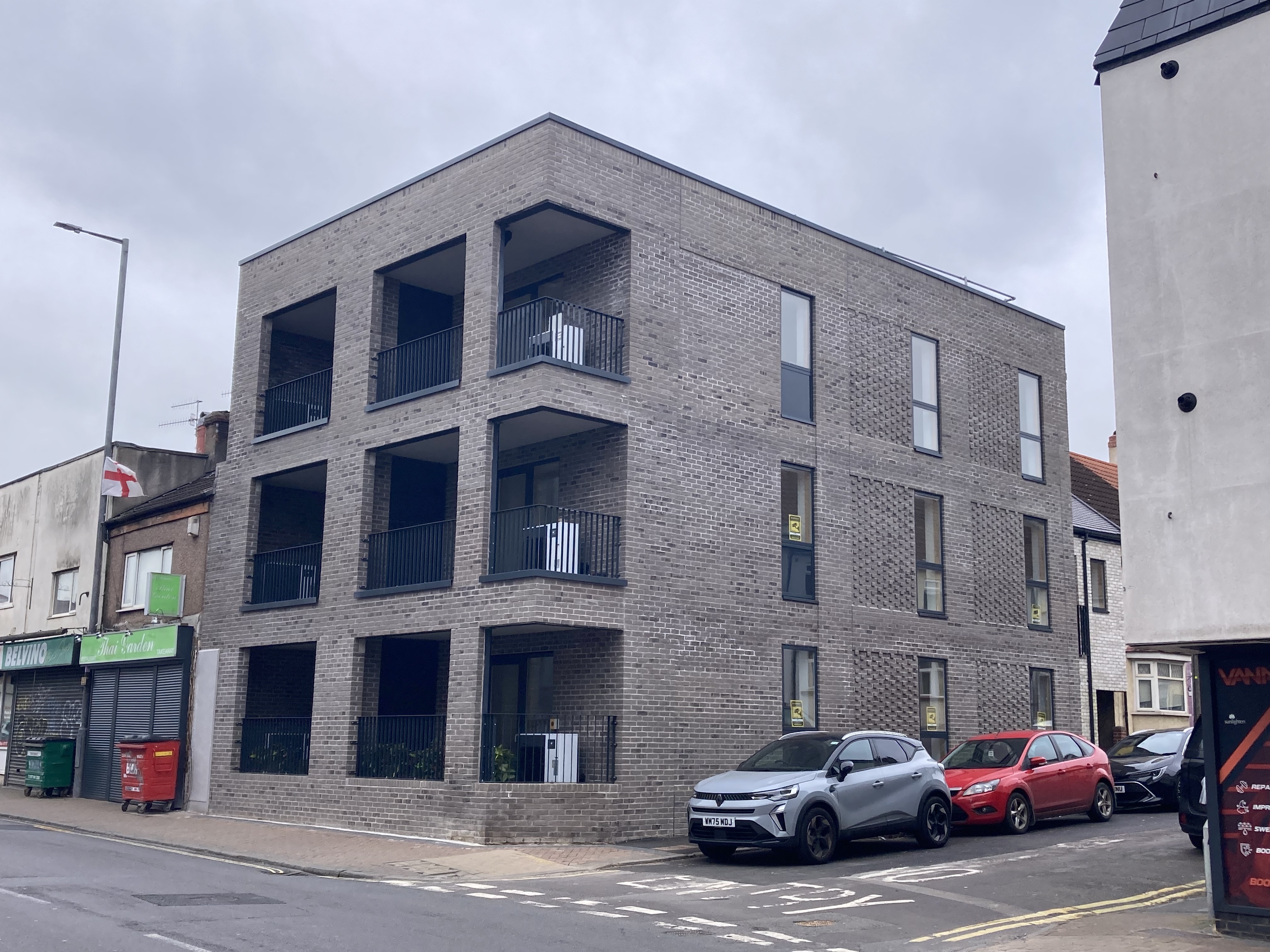
The West Street project is a compact, high-density residential development delivered for Bristol City Council on a constrained urban corner site in Bedminster. The scheme provides seven 1-bedroom, 1 person homes designed to meet Nationally Described Space Standards, infilling an underutilised brown field site with high-quality, sustainable homes. The project responds carefully to its corner context, addressing both West Street and Clifton Street, maximising natural light, privacy and amenity within a tight footprint. What makes this a winning submission is its ability to extract maximum social and spatial value from a highly constrained site while maintaining quality. The design balances density with quality accommodation, incorporating private recessed balconies, dual-aspect opportunities and a lightwell in the centre of the building that maximises daylight for residents’ wellbeing. The scheme also integrates sustainable features such as bio solar roof for energy production and biodiverity and promotes active travel through cycle provision.
Three key facts:
- Delivered 7 high-quality homes on a 176m² site
- All units meet NDSS standards despite tight site and challenging constraints
- Transforms a redundant disused brown field city site into a valuable housing asset, improving public realm and supporting Bristol City Council’s affordable housing need.
Sponsored by


Dan Osborne is an exceptional emerging leader whose professionalism, technical capability and calm, solutions focused approach has made a significant impact across several major defence projects. He consistently represents Kier with integrity, commitment and pride, demonstrating the behaviours, standards and collaborative spirit expected of a future industry leader. Dan’s leadership is defined by reliability, clarity and an unwavering drive for excellence. His contributions to the O2 Workshop and the Bickleigh Stage 4 submission - the latter delivered to a high standard in just 16 weeks - demonstrate his ability to guide teams through accelerated programmes and complex technical challenges. Colleagues and clients alike highlight the confidence, stability and quality he brings to every task. Three key facts that make Dan stand out:
- He played a pivotal role in achieving O2 design sign off after 18 months of complex submissions, earning praise directly from the client.
- He quietly led the technical coordination that enabled the £50m Bickleigh Stage 4 design to be delivered in record time.
- He invests meaningfully in developing emerging talent, supporting colleagues like ADM Emily Gilbert to progress technically and professionally.
Dan leads with humility, capability and consistency - embodying exactly what a G4C Future Leader represents.

Jenna Smith is a driven and ambitious emerging professional who has quickly established herself as a future leader in the construction industry. Since entering the sector in 2022, she has shown exceptional progression—starting as a Business Development Coordinator at Kier Construction before advancing to Assistant Business Development Manager at Willmott Dixon. After relocating to Cornwall and joining a completely new sector, Jenna immersed herself in the industry with outstanding commitment. She excels at building strong relationships with customers, consultants, and colleagues, strengthening collaboration and consistently adding value beyond her formal role. Her energy, fresh perspective, and commercial awareness have earned widespread trust. Jenna’s passion for developing others sets her apart. As an active member of Constructing Excellence South West and Chair of G4C Cornwall for the past two years, she has grown a team of six, boosted regional engagement, delivered impactful industry events, launched a careers-focused podcast, and championed construction careers through school and college outreach. Jenna embodies modern leadership—ambitious, influential, and committed to positive industry change. She continues to accelerate her own development while inspiring the next generation to consider construction careers.
Three Key Facts:
- Rapid Progression: Advanced quickly from Coordinator to Assistant Business Development Manager after entering a new industry.
- Proven Leadership: As G4C Cornwall Chair, leads a proactive committee delivering high‑impact initiatives.
- Industry Advocate: Promotes construction careers through events, podcasts, and education outreach.

Jude exemplifies the next generation of construction leadership: visionary, authentic, and relentlessly committed to positive change. As Site Manager for the Cotswold Designer Outlet project, Jude delivered excellence in quality, sustainability, and team culture: earning the respect of colleagues and sub-contractors alike. His empathy and openness bring a transformative approach to site management, destigmatising mental health and fostering inclusive, high-performing teams. Jude’s innovative use of digital tools, environmental initiatives, and educational outreach demonstrate his impact not only within his organisation, but across the industry and community.
- Jude promotes best practice. He was instrumental in Cotswold Designer Outlet’s achieving Bouygues Construction’s prestigious “Topsite” quality assurance standard which recognises exemplary construction projects for their commitment to Social Value, Health and Safety, Environmental Impact, and Employee Welfare.
- Jude advocates positive behaviours around mental health. He is training to become a Mental Health First Aider, bringing practical application from his university research which considered mental health and wellbeing in the construction industry.
- Jude inspires future talent. As an active mentor for Bouygues UK’s graduate programme and an ambassador for educational engagement he is actively promoting construction careers. "During the time I worked with Jude at UWE, he showed a genuine interest in sustainability and quickly became someone who looked for opportunities to lead and make a positive impact.It’s been great to see how that early drive has shaped his path." Pablo A Perez, Lecturer, University of the West of England

Phoebe Gale is Social Value Manager at Tilbury Douglas, leading measurable and impactful social value delivery across the both South West, South East Regions She is the youngest Social Value Manager in the business and the first dedicated social value professional appointed in the Southern region. Driven by a strong personal commitment to sustainability, inclusion and reducing inequalities, she is committed to ensuring construction creates meaningful benefits for communities, stakeholders and local economies. Phoebe turns policy into practical action embedding social value throughout project programmes, leaving a lasting positive legacy. Her impact is measurable. In 2025, the Southern region achieved a 36% Social Value Return on Investment. Since joining the business, Phoebe has supported delivery of 1,424 hours of careers and education engagement and 955 volunteering hours, strengthening Tilbury Douglas' regional approach to social value, early careers and community legacy. Phoebe is also a visible leader in inclusion. In 2022, she founded the Tilbury Douglas Pride Network and chaired it for 2 ½ years, while supporting, women's, multicultural and disability networks. Following her recent autism and ADHD diagnosis, Phoebe is using her lived experience to promote more accessible and inclusive approaches, bringing a unique and forward thinking perspective to construction. Recognised through a nomination for the Tilbury Douglas Inspiring People Awards is helping shape a more inclusive and sustainable future for construction.
- Youngest Social Value Manager at Tilbury Douglas.
- Founder of the Tilbury Douglas Pride Network.
- A future leader using lived experience to make construction more inclusive and community focused.
Sponsored by
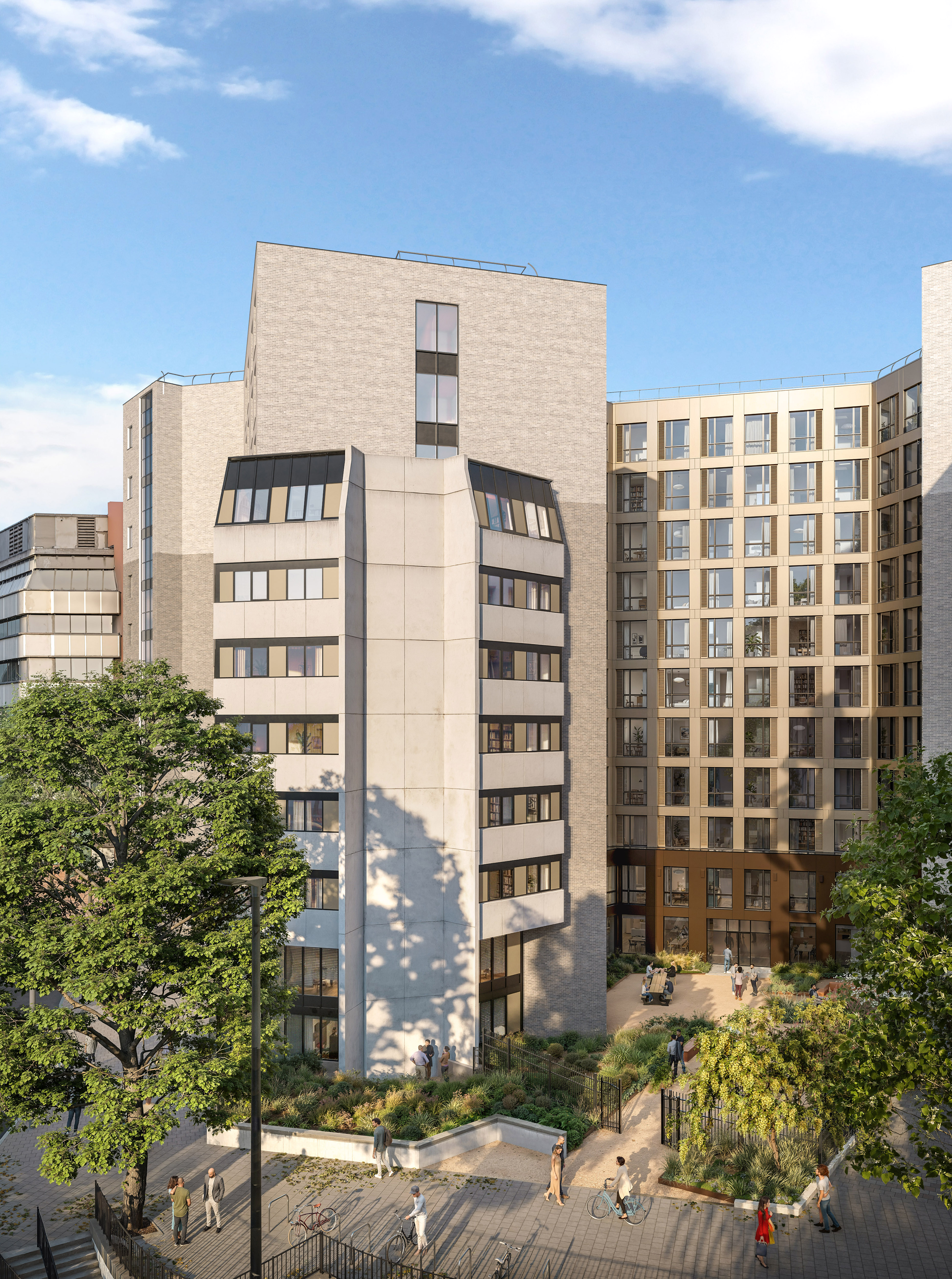
This project delivers the full transformation of an outdated office building into 399 high‑quality, energy‑efficient student homes, creating a major regeneration opportunity in central Bristol. The scheme involves significant structural and architectural interventions, including partial façade demolition and replacement, a new atrium façade and roof, a roof‑level extension, a new roof terrace, full MEP installation, entrance reconfiguration, and enhanced landscaping. Extensive value engineering ensured the project remained commercially viable while maintaining design integrity. As a higher‑risk building, the project required a rigorous approach to the Gateway 2 process, including a robust construction control plan, golden thread strategy, and close coordination with the Building Safety Regulator. The team also led complex negotiations with Vattenfall to secure connection to Bristol’s low‑carbon District Heating Network, while managing the relocation and integration of existing telecoms infrastructure. Sustainability and social value are central to the scheme. By repurposing the existing structure rather than demolishing and rebuilding, the project significantly reduces embodied carbon. It targets BREEAM Excellent and EPC A, enhances the local public realm, and delivers much‑needed student accommodation that will positively contribute to the area’s demographic and economic vitality.
- Major low‑carbon transformation, converting an existing office building into 399 high‑quality student homes targeting BREEAM Excellent and EPC A.
- Exemplary management of a higher‑risk building, successfully navigating the Gateway 2 process with a robust construction control plan and golden thread strategy.
- Complex technical delivery, including façade replacement, roof extensions, district heating integration, telecoms relocation, and extensive value engineering within a challenging programme.
GriffithsFarrans JV
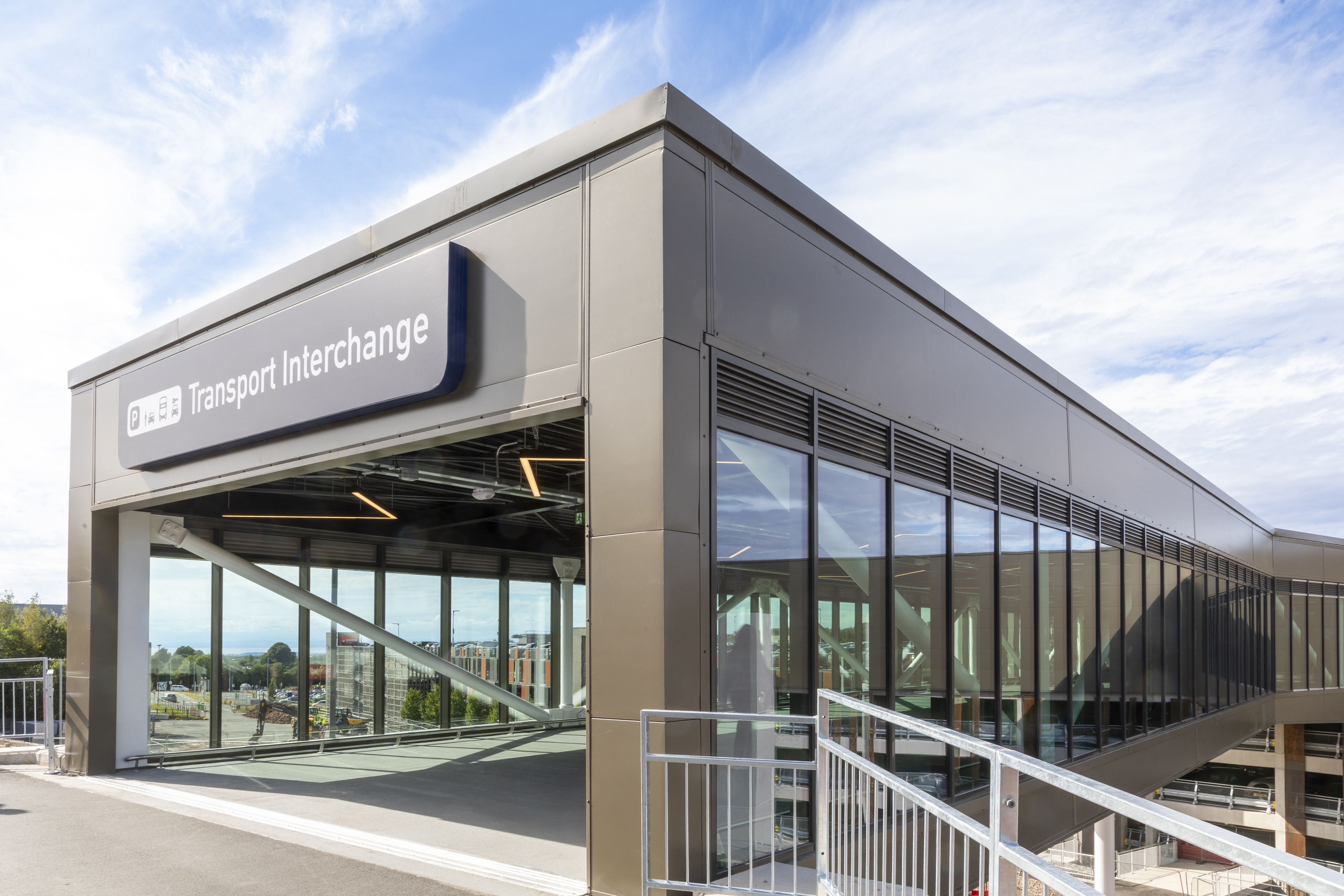
The £65m Bristol Airport Transport Interchange is a transformational infrastructure project that has redefined the airport’s front‑of‑house experience and set a new benchmark for aviation construction in the UK. Delivered in an operationally constrained environment - directly in front of the main terminal while safely managing 15 million passengers - the project created a four‑level multi‑storey car park with an integrated transport interchange, major road upgrades and seamless terminal connectivity. What makes this project deserving of Infrastructure Project of the Year is the exceptional standard of collaboration, innovation and delivery excellence demonstrated throughout. The Griffiths Farrans JV united two sister companies with complementary strengths, creating a single, high‑performing team that delivered best‑in‑class engineering solutions, outstanding safety performance and a legacy of social, environmental and economic value for the region. The client now cites the project as a blueprint for future airport developments - evidence of its sector‑leading impact.
Three Standout Facts:
- Zero RIDDOR incidents achieved on one of the most complex live‑airport construction sites in the UK, demonstrating exemplary safety leadership.
- £14 million in Social Value generated, including £210,000 raised for the Great Western Air Ambulance and extensive community, skills and employment outcomes.
- Pioneering hybrid post‑tensioned and precast slab solution, dramatically reducing concrete deliveries, congestion and embodied carbon - now influencing future aviation schemes.
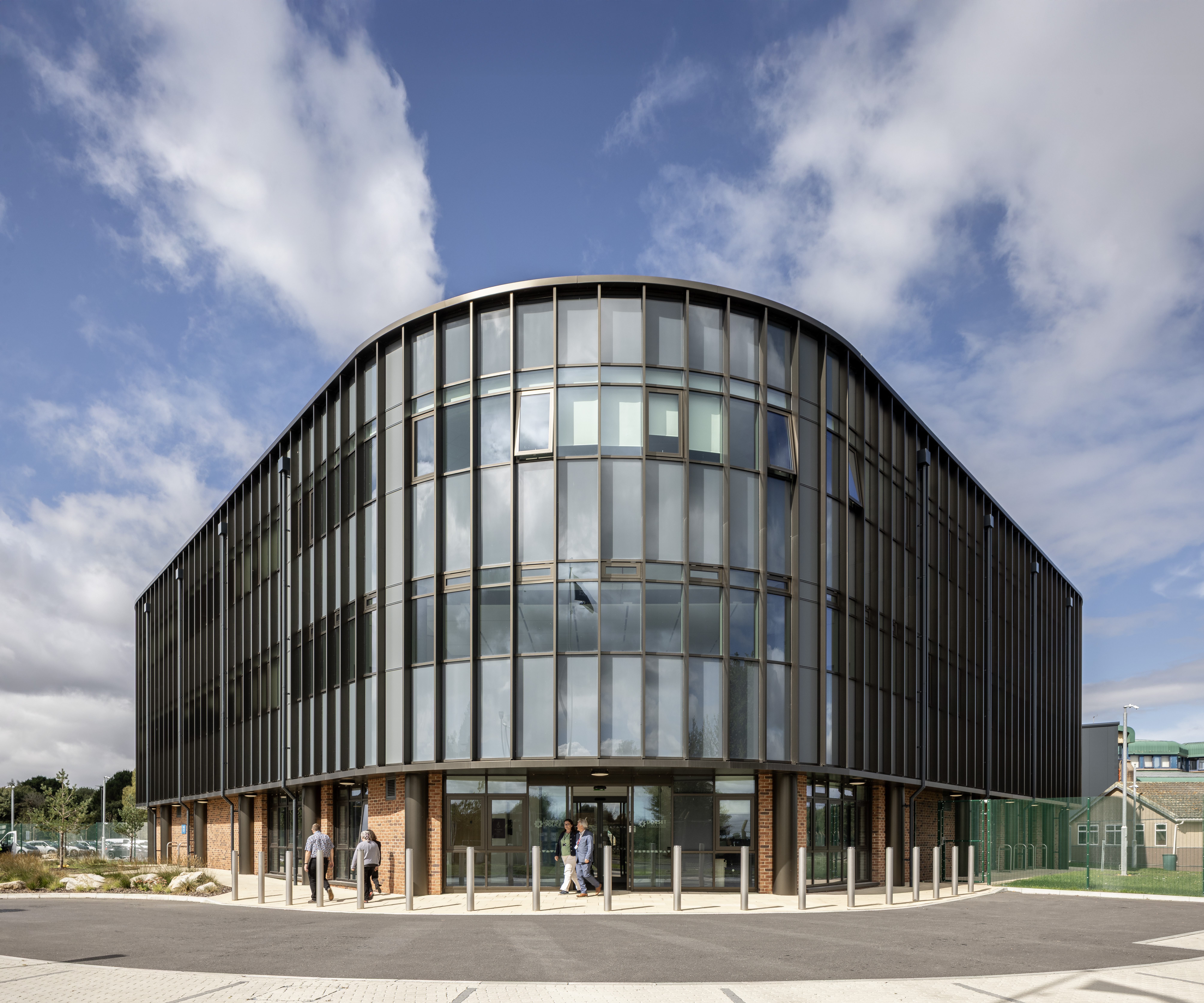
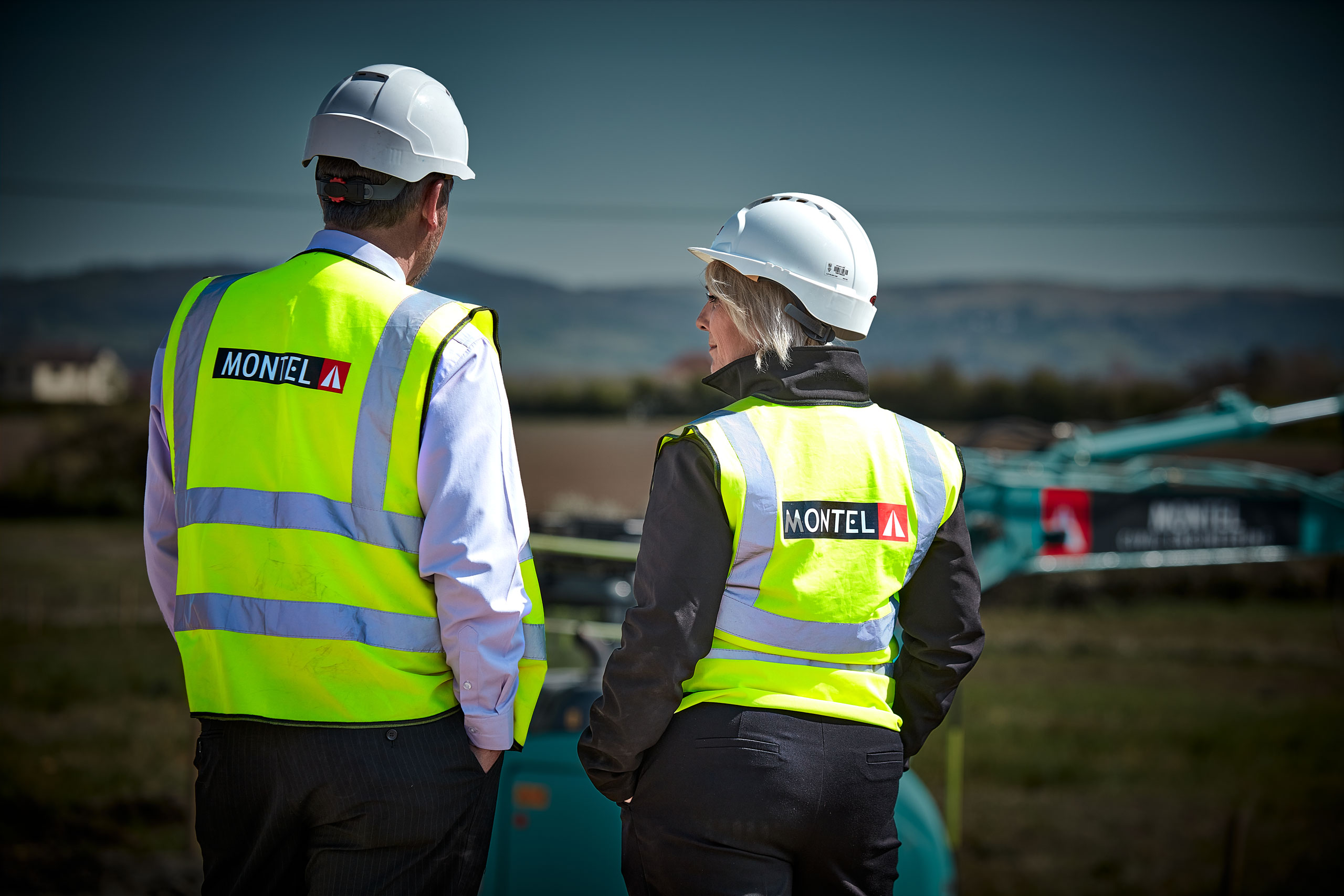
Montel delivered the Dawlish Bridge and Link Road scheme for Devon County Council, widely described as the ‘missing link’ for Dawlish’s growing local community, unlocking 860 new homes and providing a vital connection between Elm Grove Road and the A379. The 26m span Sweet Violets Bridge and 470m of carriageway, footways and cycleways created a long-awaited link that enhanced connectivity and supported regional growth. Delivery required a coordinated approach within a constrained, environmentally sensitive setting, where ground conditions including peat, groundwater and running sands introduced significant complexity. Mass soil mixing provided an in-situ solution, avoiding large-scale excavation and eliminating hundreds of vehicle movements while maintaining programme continuity. Minimising future maintenance shaped key design decisions, reducing whole-life cost and ensuring long-term reliability. The bridge eliminated bearings and expansion joints and incorporated galvanised parapets, achieving a 120-year design life. Material reuse and lower-carbon design enhanced environmental performance, alongside over £23,000 of verified social and environmental value. Targeted employment and engagement generated 23 apprenticeship weeks, while close collaboration with the client and designer maintained high standards across safety, quality and programme.
Three factors set this project apart:
- Innovative in-situ ground stabilisation enabled delivery across peat, groundwater and running sands, removing the need for excavation and eliminating vehicle movements.
- A durability-led design removed bearings and expansion joints, delivering a 120-year asset life with reduced intervention and lower whole-life cost.
- The scheme delivered regional benefit, unlocking 860 new homes and generating over £23,000 of verified social value while improving connectivity and supporting skills development.
Sponsored by

GriffithsFarrans JV
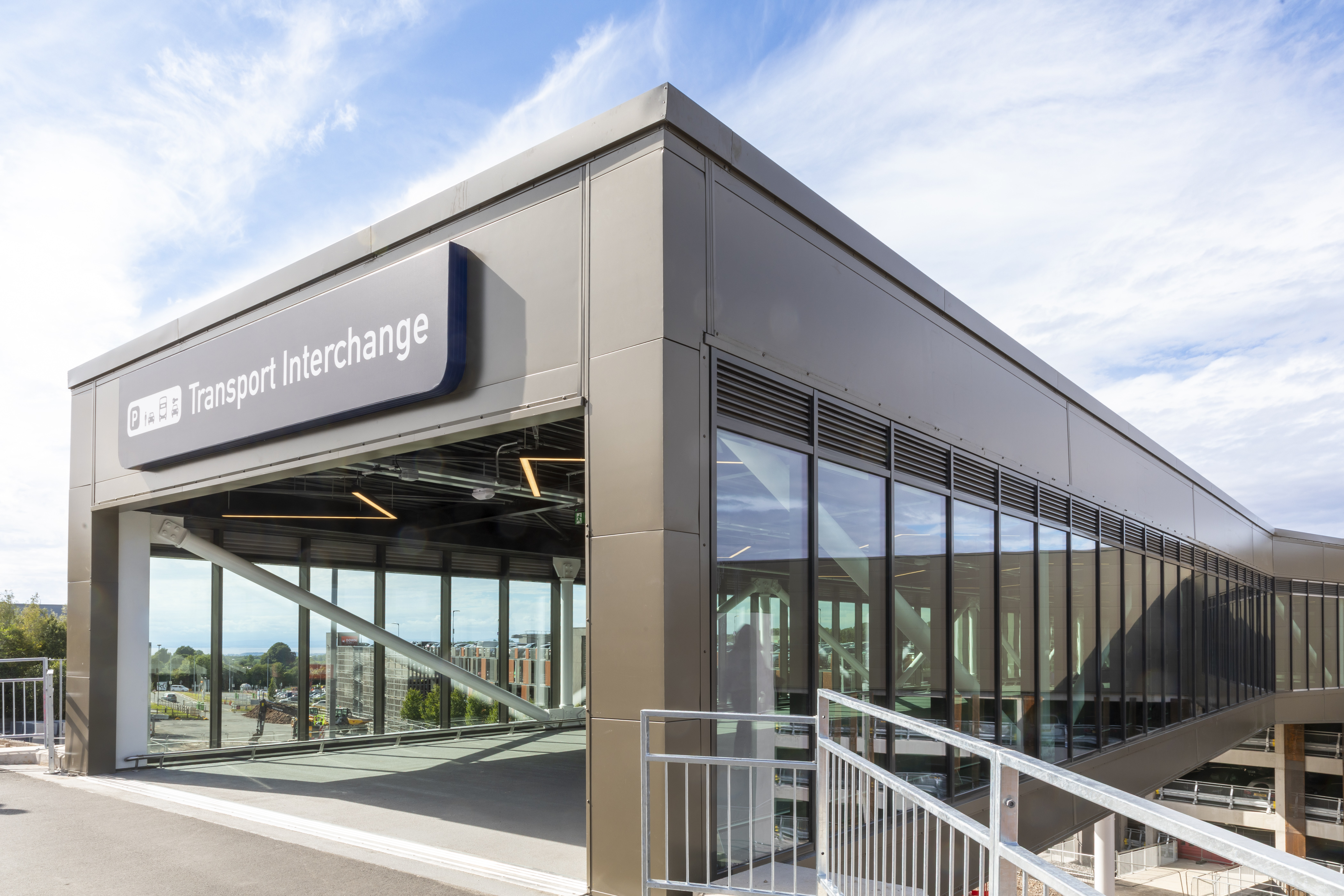
The £65m Bristol Airport Transport Interchange is a transformational infrastructure project that has redefined the airport’s front‑of‑house experience and set a new benchmark for aviation construction in the UK. Delivered in an operationally constrained environment - directly in front of the main terminal while safely managing 15 million passengers - the project created a four‑level multi‑storey car park with an integrated transport interchange, major road upgrades and seamless terminal connectivity. What makes this project deserving of Infrastructure Project of the Year is the exceptional standard of collaboration, innovation and delivery excellence demonstrated throughout. The Griffiths Farrans JV united two sister companies with complementary strengths, creating a single, high‑performing team that delivered best‑in‑class engineering solutions, outstanding safety performance and a legacy of social, environmental and economic value for the region. The client now cites the project as a blueprint for future airport developments - evidence of its sector‑leading impact.
Three Standout Facts:
- Zero RIDDOR incidents achieved on one of the most complex live‑airport construction sites in the UK, demonstrating exemplary safety leadership.
- £14 million in Social Value generated, including £210,000 raised for the Great Western Air Ambulance and extensive community, skills and employment outcomes.
- Pioneering hybrid post‑tensioned and precast slab solution, dramatically reducing concrete deliveries, congestion and embodied carbon - now influencing future aviation schemes.
Network Rail/South Rail Systems Alliance
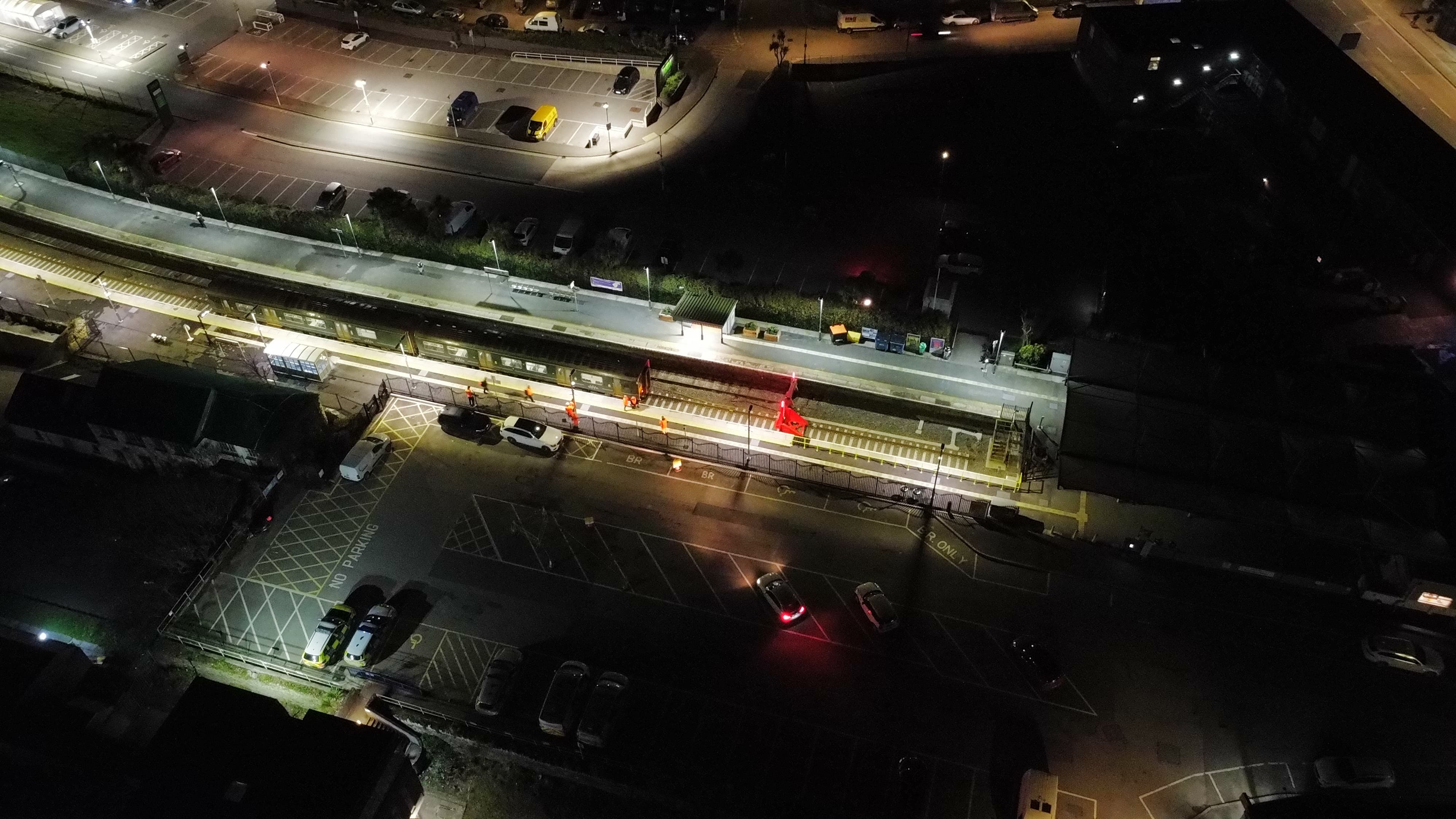
Montel delivered the Dawlish Bridge and Link Road scheme for Devon County Council, widely described as the ‘missing link’ for Dawlish’s growing local community, unlocking 860 new homes and providing a vital connection between Elm Grove Road and the A379. The 26m span Sweet Violets Bridge and 470m of carriageway, footways and cycleways created a long-awaited link that enhanced connectivity and supported regional growth. Delivery required a coordinated approach within a constrained, environmentally sensitive setting, where ground conditions including peat, groundwater and running sands introduced significant complexity. Mass soil mixing provided an in-situ solution, avoiding large-scale excavation and eliminating hundreds of vehicle movements while maintaining programme continuity. Minimising future maintenance shaped key design decisions, reducing whole-life cost and ensuring long-term reliability. The bridge eliminated bearings and expansion joints and incorporated galvanised parapets, achieving a 120-year design life. Material reuse and lower-carbon design enhanced environmental performance, alongside over £23,000 of verified social and environmental value. Targeted employment and engagement generated 23 apprenticeship weeks, while close collaboration with the client and designer maintained high standards across safety, quality and programme.
Three factors set this project apart:
- Innovative in-situ ground stabilisation enabled delivery across peat, groundwater and running sands, removing the need for excavation and eliminating vehicle movements.
- A durability-led design removed bearings and expansion joints, delivering a 120-year asset life with reduced intervention and lower whole-life cost.
- The scheme delivered regional benefit, unlocking 860 new homes and generating over £23,000 of verified social value while improving connectivity and supporting skills development.
Sponsored by

Founded in 1965, Hewer Facilities Management has grown from a small heating and plumbing business into a multi-disciplinary facilities management provider delivering heating, electrical, mechanical, and renewable solutions across the UK’s midlands and southwest. With a mission of “Taking care of local homes and businesses,” Hewer combines reliability, innovation, and customer focus. Heat Saviour™ was developed in house in response to systemic challenges in early heat pump adoption in social housing, including high retrofit costs, proprietary component reliance, and expensive maintenance when systems failed. Heat Saviour™ introduces a future-proof heating solution using universal, off-the-shelf components, reducing obsolescence, simplifying retrofits in older properties, and eliminating costly full-system replacements. The programme has already delivered measurable outcomes: over 2,000 installations with zero post-installation callouts, installation costs reduced by £2,000 per property, installation time improved by 20%, and environmental impact lowered via 80% less glycol use. Compared with conventional systems, Heat Saviour™ significantly improves lifecycle value for housing providers and taxpayers. Why this is a winning entry: Hewer turned operational challenges into scalable innovation, aligning engineering expertise with ethical business practices and environmental responsibility. Heat Saviour™ reduces waste, improves reliability, and accelerates sector decarbonisation. Employee engagement, partner collaboration, and stakeholder-focused design ensure adoption and measurable impact.
Three key facts that stand out:
- 2,000+ installations with zero callouts.
- £2,000 per property savings and 20% faster installation.
- Universal-fit, off-the-shelf components prevent obsolescence and reliance on proprietary parts.
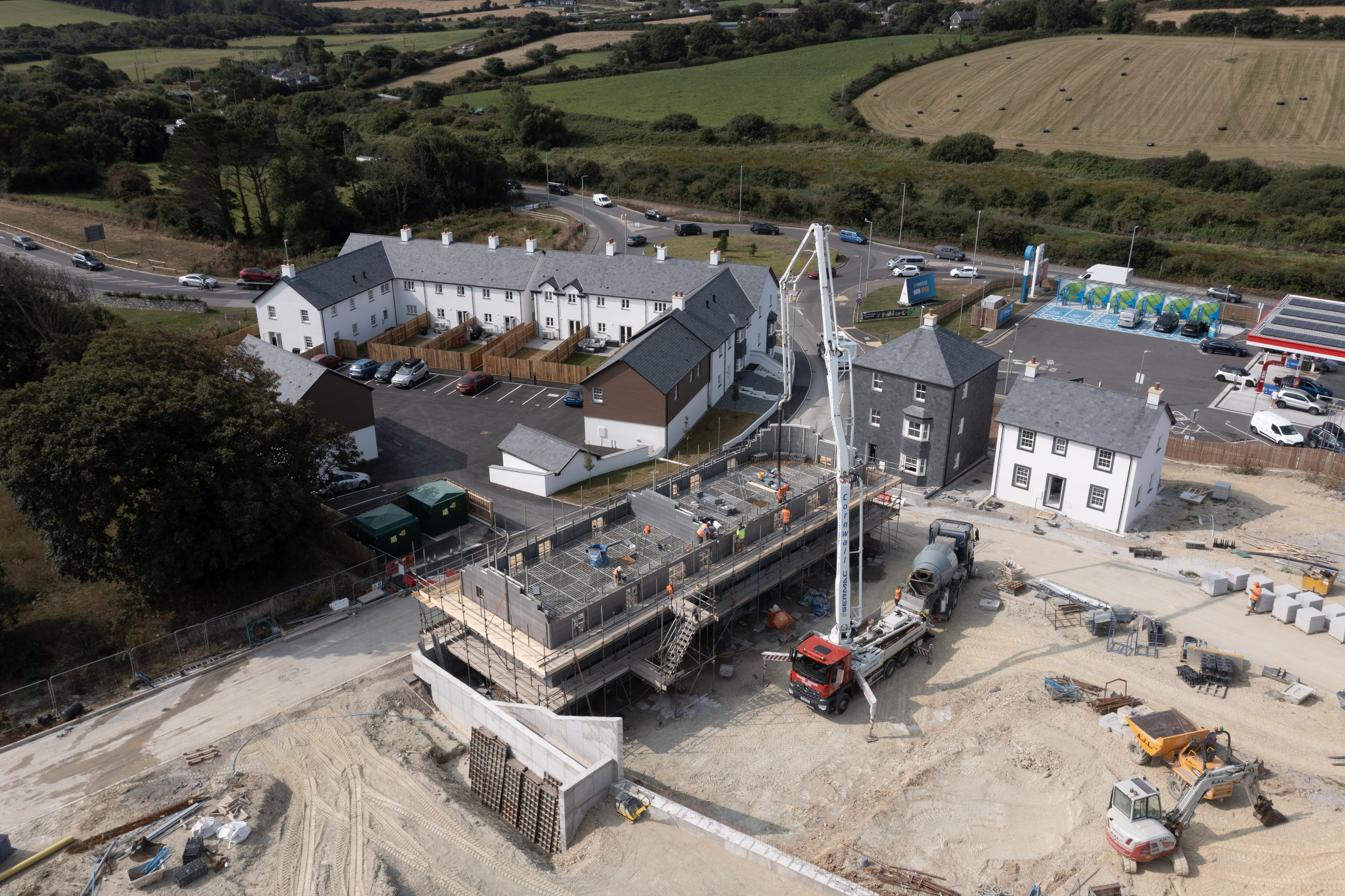
The new state-of-the-art RT Decant Bunker & HDR Facility is a new three storey oncology extension in the heart of Derriford Hospital, delivering LINAC bunker, High Dose-Rate (HDR) DR brachytherapy suite, treatment planning areas and clinical support spaces situated within a former courtyard car park with singular vehicle route in and out. The project brought together complex logistics, seamless integration with the existing estate and the delivery of safety critical healthcare infrastructure, creating a direct and meaningful benefit for patients. Tilbury Douglas’ team with early supply chain collaboration helped make this a stand out project delivering advanced concrete engineering enabled a 1600mm shielding wall instead of a 2600mm ordinary concrete equivalent, thus reducing the footprint of the bunker within an already restricted space while reducing thermal cracking risk and reducing the embodied carbon. Embedded thermocouples, live app monitoring, insulated shutters and a controlled striking regime delivered a crack free, and the additional Class 6F finish were all essential to radiation protection. The project has generated £14.77m social value, with social value return on investment 142%, while expanding oncology capacity and supporting more timely cancer treatment, and has recently won two industry awards in the South West Awards.
- The extraordinarily complex and technical delivery of the radiation shielding bunker delivered on a constrained live hospital site.
- Clear patient impact - expanded oncology capacity and supporting lifesaving cancer treatment at University Hospitals Plymouth.
- The project generated £14.77m social value, 77% local spend, 97% SME spend and 312.8 apprenticeship weeks.
Sponsored by

GriffithsFarrans JV
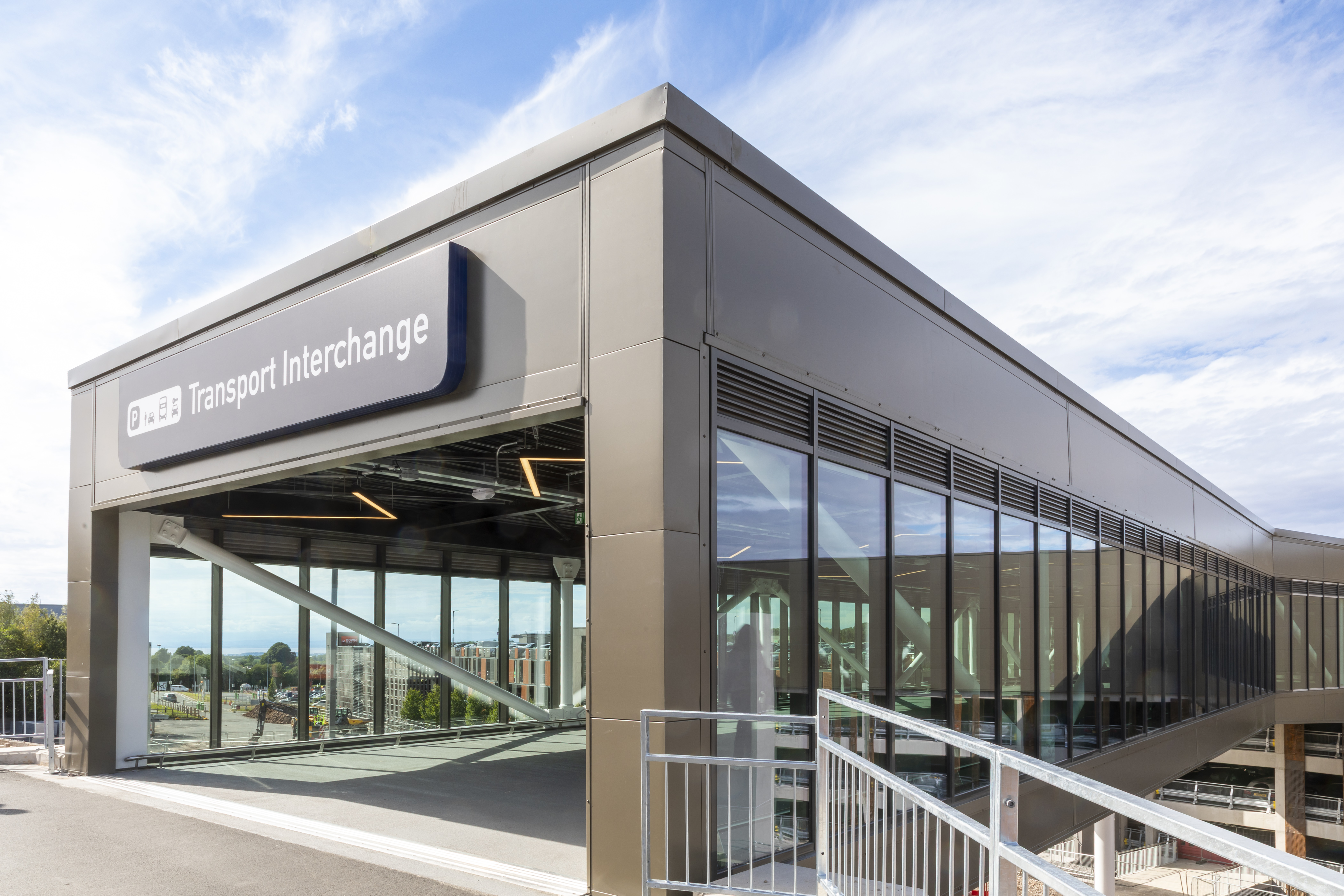
The Bristol Airport Public Transport Interchange (PTI) is a flagship example of how true integration and collaborative working can transform a complex, high‑risk infrastructure project into an industry benchmark. Delivered directly in front of a live terminal, the £65m scheme brought together Bristol Airport, Griffiths Farrans JV, designers and the supply chain through more than 150 person‑days of facilitated collaboration, open‑book working and a jointly developed Project Charter. This unified approach enabled innovation, accelerated delivery and exceptional outcomes across safety, programme, sustainability and social value. The project is a winning entry because it demonstrates collaboration not as a contractual requirement, but as a culture. The team delivered the facility two months early, with zero RIDDOR incidents, £14.5m in Social Value, and a Final Account agreed before Completion - clear evidence of trust, transparency and shared purpose. Technical innovation, including the hybrid post‑tensioned/precast slab solution and a circular‑economy approach to materials, was only possible because of the strength of the integrated team.
Three standout facts
- 150+ person‑days of structured collaboration, creating a unified, high‑performing team across client, contractor, designers and supply chain.
- Two months early, zero RIDDOR incidents, Final Account agreed pre‑Completion - a rare combination on a live‑airport project.
- £14.5m Social Value delivered, including 18 apprenticeships, 500+ hours of outreach and 30% local supply chain spend.
Okehampton Interchange demonstrates how integrated and collaborative working can deliver complex rail infrastructure within a constrained construction programme. Delivered under Network Rail’s CP7 Intelligent Client framework, the project united Network Rail, Octavius, Mott MacDonald, GWR, Devon County Council and key suppliers into a single outcome-focused team (other suppliers inc: specialist civils, drainage, steelwork, access and temporary works partners). Main construction commenced in 2025, requiring close coordination of design, assurance and delivery to achieve a March 2026 completion milestone. A critical element was the March 2025 blockade, where primary structural components were installed within a wider sequence of works. Through integrated working, engineering, programme, cost and assurance were aligned, enabling efficient decisions and proactive risk management. Despite extreme weather and delivery pressures, the team maintained momentum and achieved a high-quality outcome with zero safety incidents. Two Network Rail Improvement Initiatives were adopted 'Project SPEED' and 'Minimum Viable Product' principles enabled rapid option development and value engineering, delivering £1.7m efficiencies across the scheme.
Key facts:
- Delivered within a tightly constrained 2025–2026 construction programme
- Zero safety incidents – exemplary safety performance
- £1.7m efficiencies on a £15.5m scheme (11% saving)
- Nearly one month of delay recovered through collaborative problem-solving
- A collaboration score of 4.9 was achieved, exceeding industry norms
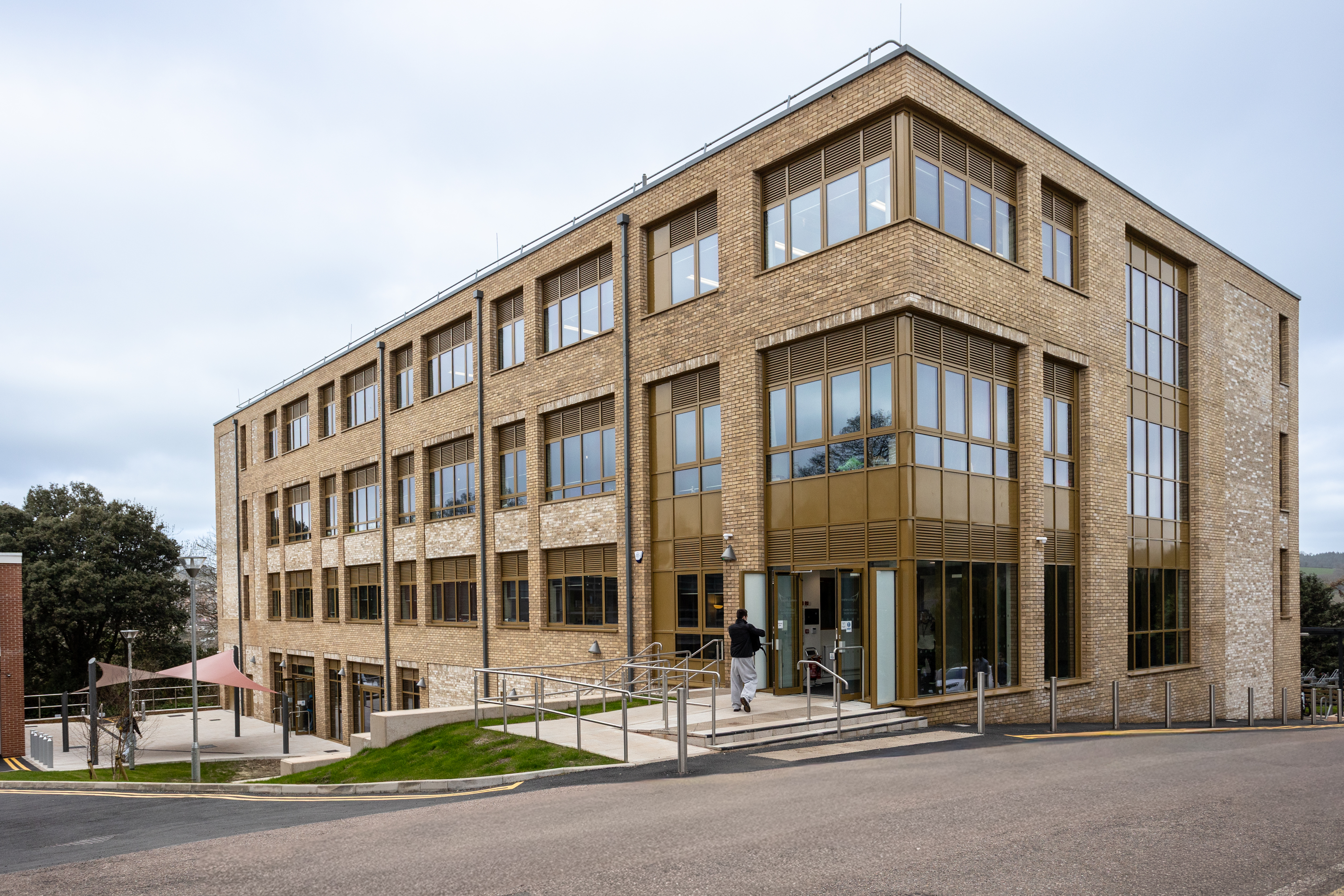
The Centre for Law & Social Sciences at Exeter College was delivered by Willmott Dixon through outstanding collaboration, early supply chain engagement and digitally enabled precision. Designed to meet rapidly rising demand for academic space, the project provides flexible, high quality teaching environments while integrating sensitively with the existing campus through a stepped form and carefully selected materials. The project is critical to supporting Exeter College’s exceptional and sustained expansion. As the principal tertiary and state sixth form provider for the City of Exeter—the college has grown continuously for 17 years, and this year has increased by 750 additional 16–18 students. Without the early handover, the college could not have accommodated this year’s substantial intake, making the project essential to maintaining educational capacity. This submission is a winning entry because it demonstrates authentic, high performing collaboration. Early involvement of strategic partners shaped design optimisation, secured long lead items and enhanced buildability. A standout achievement was the collectively designed solution enabling a 12 week early handover—delivered through transparent communication, agile redesign and a shared commitment to outcomes. Digital excellence reinforced decision making and quality, with BIM Level 2, immersive modelling and integrated project management tools ensuring accuracy, coordination and efficient delivery.
Three standout facts:
- Achieved EPC A and a 43% uplift on Part L through a fabric first, low carbon design.
- Delivered using advanced digital tools including BIM Level 2 and immersive visualisation.
- Enabled a 12 week early handover, allowing the college to absorb 750 extra learners.
Sponsored by

GriffithsFarrans JV
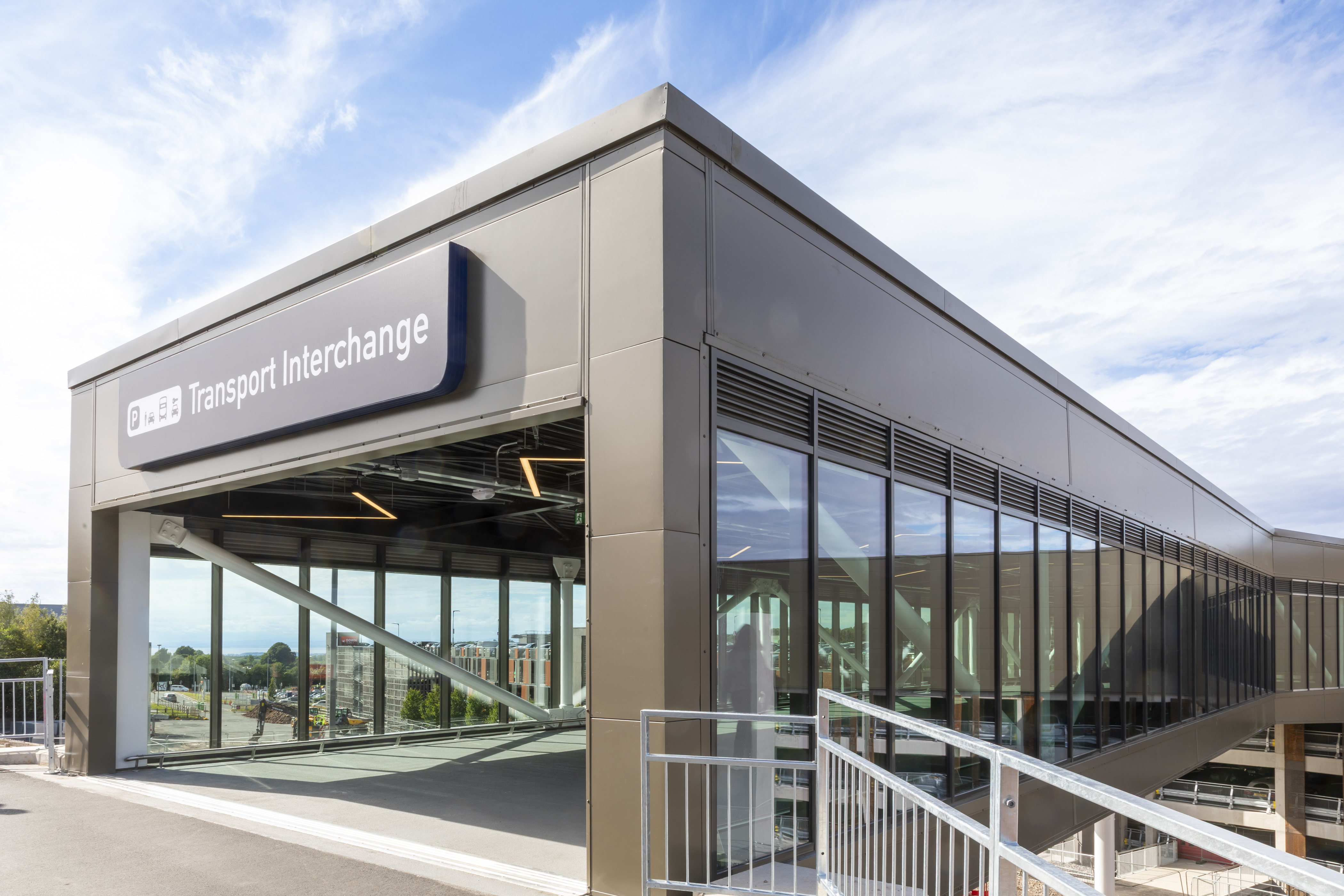
The £65m Bristol Airport Transport Interchange is a transformational infrastructure project that has redefined the airport’s front‑of‑house experience and set a new benchmark for aviation construction in the UK. Delivered in an operationally constrained environment - directly in front of the main terminal while safely managing 15 million passengers - the project created a four‑level multi‑storey car park with an integrated transport interchange, major road upgrades and seamless terminal connectivity. What makes this project deserving of Infrastructure Project of the Year is the exceptional standard of collaboration, innovation and delivery excellence demonstrated throughout. The Griffiths Farrans JV united two sister companies with complementary strengths, creating a single, high‑performing team that delivered best‑in‑class engineering solutions, outstanding safety performance and a legacy of social, environmental and economic value for the region. The client now cites the project as a blueprint for future airport developments - evidence of its sector‑leading impact.
Three Standout Facts:
- Zero RIDDOR incidents achieved on one of the most complex live‑airport construction sites in the UK, demonstrating exemplary safety leadership.
- £14 million in Social Value generated, including £210,000 raised for the Great Western Air Ambulance and extensive community, skills and employment outcomes.
- Pioneering hybrid post‑tensioned and precast slab solution, dramatically reducing concrete deliveries, congestion and embodied carbon - now influencing future aviation schemes.
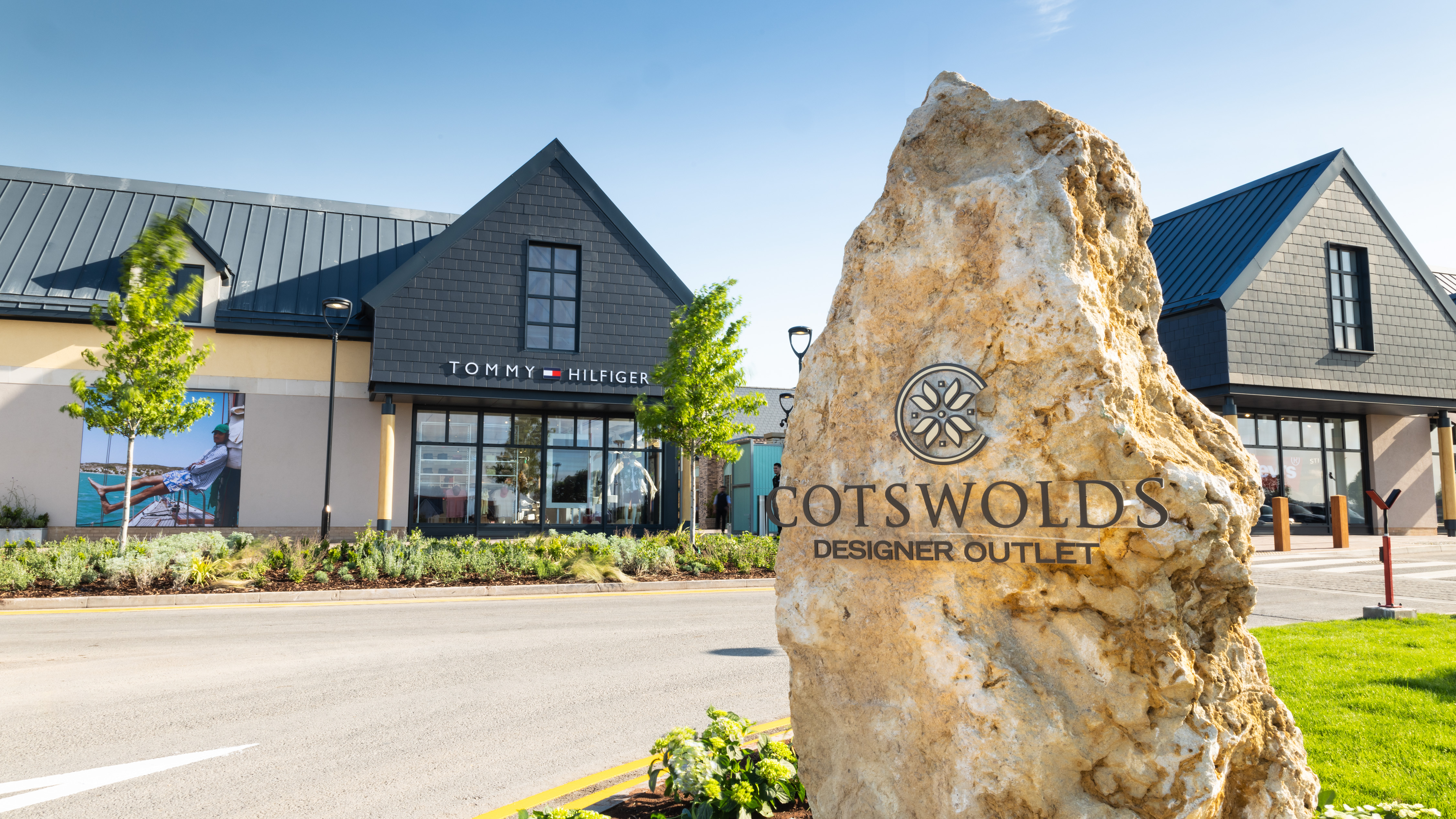
Cotswolds Designer Outlet is part of a transformative project that has set a new benchmark for sustainable, community-focused retail and leisure in the UK. Conceived in 2011 and realised through masterplanning and collaboration with local stakeholders, the scheme reimagines 300 acres of Gloucestershire farmland near Junction 9 of the M5 as a vibrant, mixed-use destination. Located adjacent largest Dobbies Garden Centre in the Southwest and offering 56 premium brands, the outlet delivers more than just shopping; its inclusive amenities, event spaces, and green landscapes create a thriving hub for residents and visitors alike.
- Sustainable Leadership: Every retail unit achieves EPC A ratings, with fabric-first design, 100% FSC-certified timber, and 99.94% of construction waste recycled. Initiatives such as beehives, meadows, EV charging, and a green travel plan demonstrate a holistic commitment to environmental stewardship and climate resilience.
- Local and Regional Impact: The project directly boosted the regional economy with over £30m spent with supply chain within a 50 mile radius of site and over £1m in the GL20 postcode. 95% of subcontractors were SMEs. The project has created more than 650 jobs (in construction and operations), and is projected to attract 3.6 million annual visitors, generating £88.6 million in annual sales.
- Placemaking Excellence: Inspired by the traditional Cotswold village, the outlet’s pedestrian-friendly design, natural material palette, and distinctive architecture blend seamlessly with the landscape. Community amenities, public consultation, and integration with local infrastructure ensure the development enhances both the area’s character and quality of life.
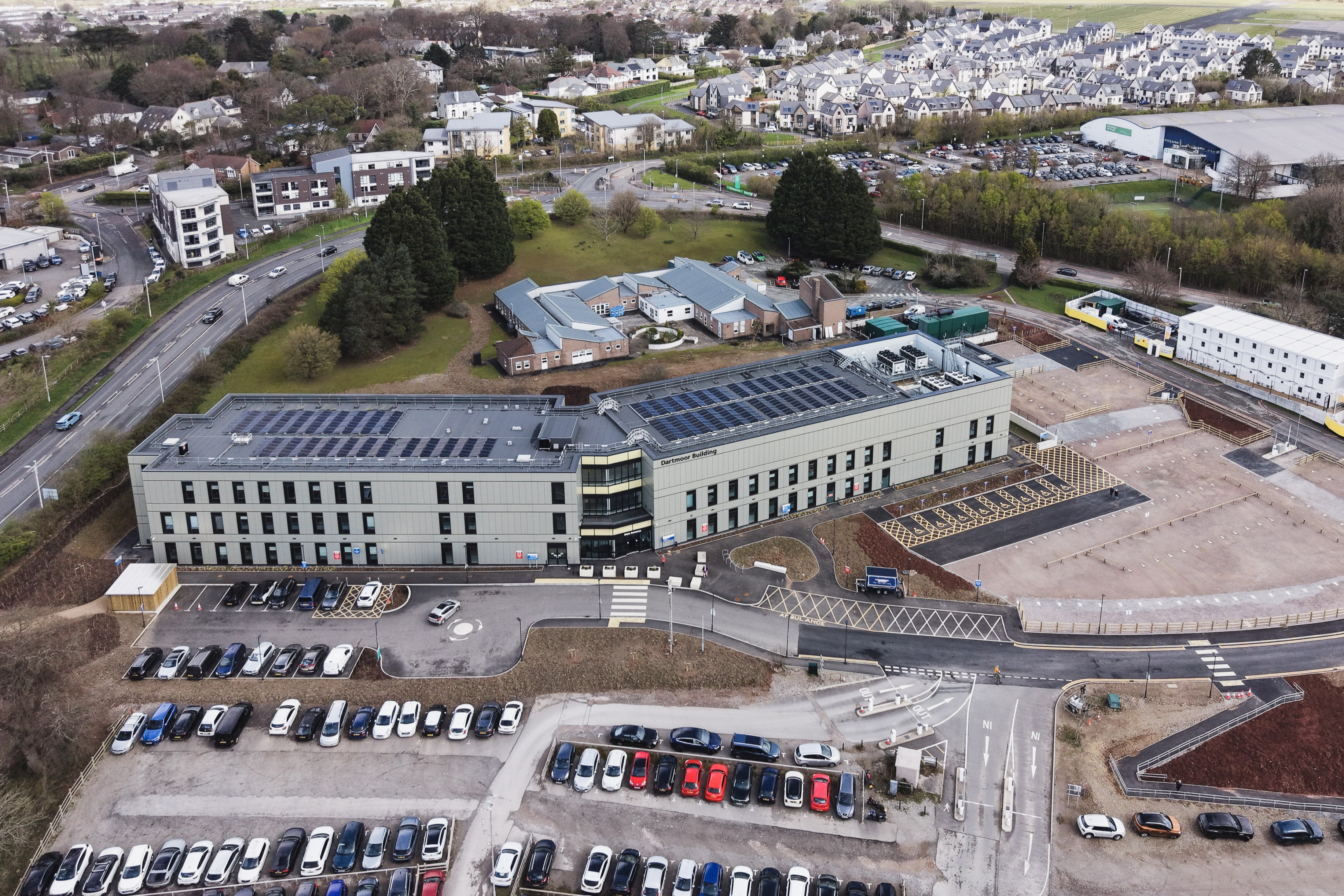
The Dartmoor Building at Derriford Hospital stands as a legacy achievement, fundamentally transforming emergency care delivery while setting a new national benchmark for speed, integration, and patient-centred design in live healthcare environments. This transformative £38m three storey, 7500m2 new build healthcare facility redefines urgent and emergency care across the region, integrating the Urgent Treatment Centre, Fracture Clinic, Outpatients and Pre-Operative Assessment into a single, purpose-built environment designed to improve patient flow, relieve pressure on the main Emergency Department and enhance both patient and staff experience. The new building now serves between 600 and 1000 people a day. Delivered in just 18 months on a live hospital site, the project sets a new benchmark for how clinically-led healthcare infrastructure can be delivered at pace without compromising safety, quality or sustainability. It forms a critical part of the Trust’s long-term strategy to meet NHS performance targets and improve emergency care outcomes. A defining strength was the alignment of all stakeholders around a shared clinical vision. The NHS Trust, clinicians, designers and supply chain operated as a fully integrated team, enabling rapid decision-making, continuous design evolution and a facility that directly responds to operational need. The result is a highly efficient, future-ready building that enhances patient pathways, improves staff wellbeing and provides a replicable model for fast-track healthcare delivery.
Key Highlights:
- Pace: Delivered within a 18 month programme on a live hospital site
- Integration: Clinically-led, fully aligned delivery model
- Impact: Serves 600–1000 people daily, improving flow and supporting NHS targets
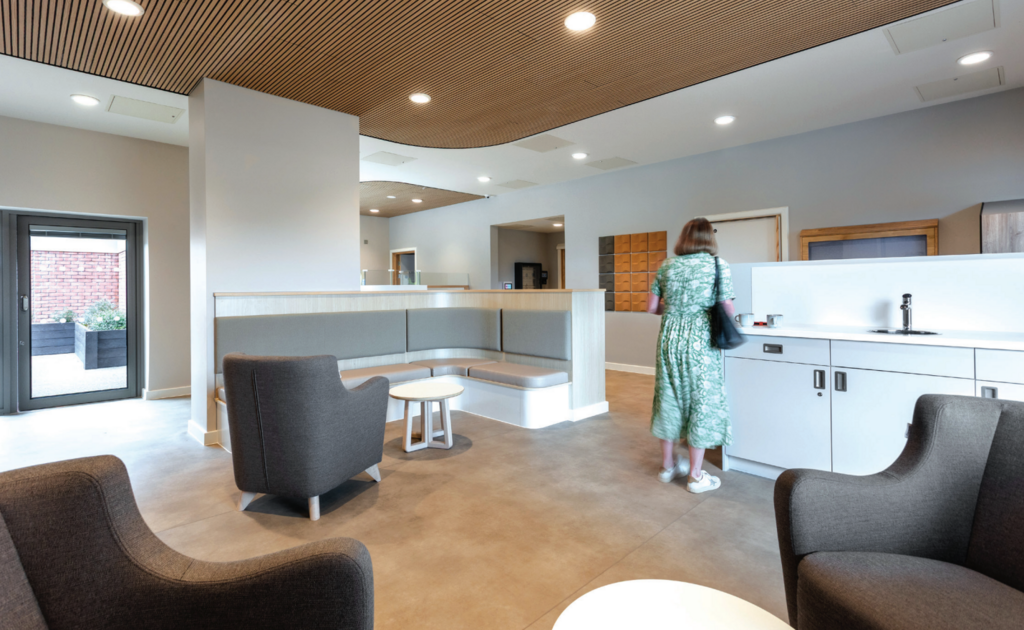
The Brook at Langdon is a pioneering specialist inpatient facility designed to transform care for adults with a learning disability and/or autism whose needs cannot be met in mainstream environments. The project set out to create a therapeutic, dignified and adaptable setting that recognises the diversity of neurodiverse experience and provides a safe, calming space for individuals with highly complex needs. Co produced with Experts by Experience, clinicians and occupational therapists, the design was shaped through “Day in the Life” modelling to ensure the building genuinely supports daily routines, emotional regulation and personal autonomy. The result is a series of carefully connected building “fingers”, each crafted to balance privacy, independence and therapeutic engagement. Three bedroom wings use subtle colour palettes to aid orientation and create a sense of identity. Bedrooms open onto sheltered courtyards, providing natural light and outdoor access without overstimulation. Circulation routes are wide, curved and punctuated with seating nooks, supporting gradual transitions between spaces. Staff areas shift from alert, cool-toned workspaces to warmer, restorative lounges, recognising the emotional demands of the care environment. Every detail—from two tone corridor palettes to integrated bedroom kitchenettes—has been designed to reduce anxiety, promote independence and create a familiar, homely atmosphere. The Brook has recently won Best Specialist Design at the Healthcare Design Awards 2026. It is a new benchmark for inclusive, recovery focused environments.
- Co produced with Experts by Experience using “Day in the Life” modelling
- Innovative “finger” layout supporting autonomy, safety and sensory comfort
- Award winning
Sponsored by

Coreus is a fast-growing, multi-disciplinary construction consultancy delivering Project Management, Quantity Surveying, Building Surveying, Sustainability, Utilities and Planning services across the UK. Founded in the South West in 2019, we have expanded nationally, driven by a clear purpose to be exceptional in everything we do and a belief that great businesses are built around great people. This submission demonstrates how our people-first culture performance. A defining example is how we respond to our people’s ambitions. When a senior leader expressed a desire to relocate, we chose to create opportunity around them rather than lose talent, supporting them to build a team and establish a new regional presence. This approach reflects how we operate, investing in our people, trusting them to lead and enabling them to shape the direction of the business. Our culture is built on flexibility, recognition and development. We offer an industry-leading benefits package, clear progression pathways and a working environment that prioritises trust and wellbeing. This creates a highly engaged team, able to perform at their best and deliver consistently strong outcomes for our clients. This model has enabled rapid, sustainable growth while maintaining a strong, connected culture across all regions. More importantly, it has created an environment where people feel valued, supported and empowered to succeed.
Three Winning Facts:
- An industry-leading benefits package, supporting the wellbeing and healthy work-life balance of our team
- A people-led expansion model rooted in leadership and culture
- Rapid establishment of a high-performing consultancy team in a competitive market
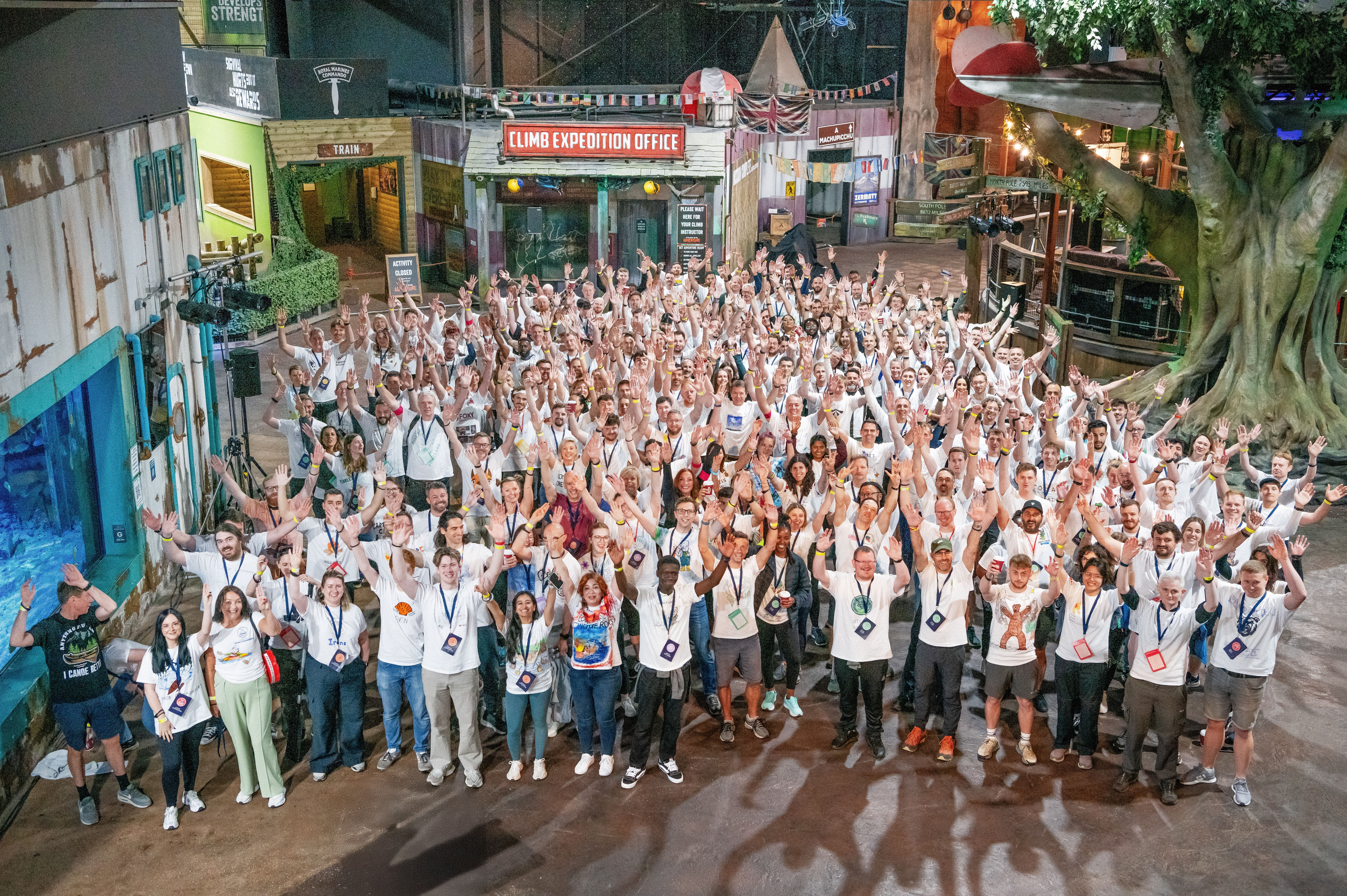
Curtins is a national engineering consultancy with a proud 65 year heritage, founded on the belief that we should serve our people and communities. Today, as a 100% Employee Owned Trust, that belief remains central to how we attract, support and empower colleagues across the UK and in our Southwest offices. With dedicated cultural leadership at Board level, a values driven people strategy and innovative approaches to engagement, we’ve fostered a culture where our people feel connected, supported and able to thrive.
Three elements that make this a standout entry:
- Board level Cultural Leadership The appointment of Director of Culture and Engagement ensures Curtins’ culture is shaped intentionally. Through company wide consultation, including workshops in our Bristol office, we have identified the behaviours, practices and environment that should be protected and fostered to ensure our success long into the future.
- Employee Ownership in Action Our 100% ownership model strengthens voice, transparency and shared responsibility. Curtins’ Employee Forum plays a critical role in shaping decision-making, with representatives across all regions ensuring diverse perspectives guide our agile approach.
- Innovative People Led Engagement From the Behind the Curtin podcast to redesigned collaborative offices, accredited leadership pathways, annual staff events and a clear approach to working together, we’ve created inclusive ways for colleagues to connect with our business and one another. In Bristol and Cardiff, office remodelling, wellbeing initiatives and STEM school outreach ensure impact is felt locally.
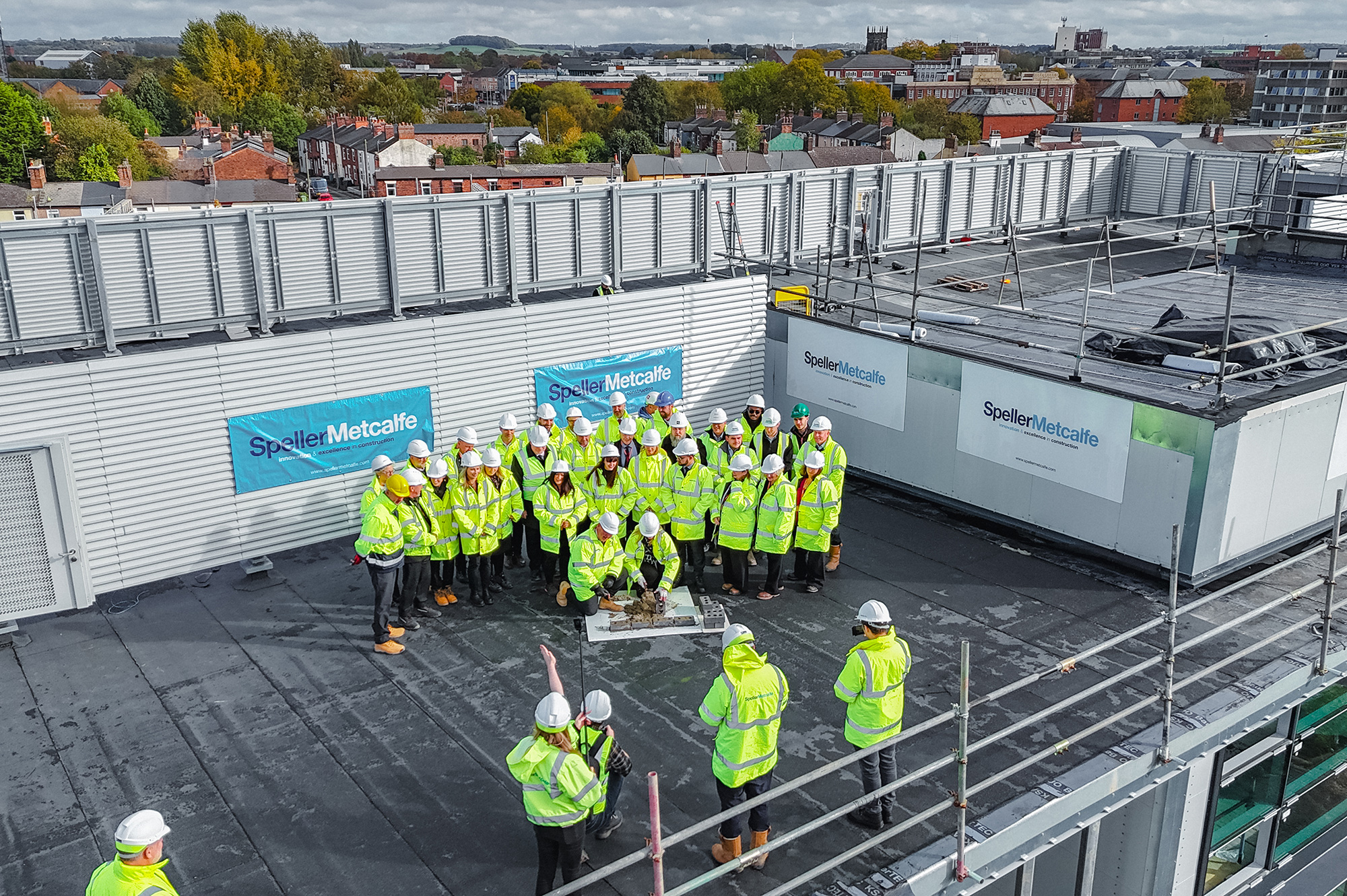

Tilbury Douglas is shaping a modern construction workforce by placing people, culture and inclusion at its heart. Our South West region exemplifies this supporting 59 employees and generating an exceptional £103.5 million Social Value Return in 2025. This submission presents our South West region as a case study within Tilbury Douglas’s companywide strategy. We retained Investors in Diversity Silver Status and ranked 26th in the National Centre for Diversity’s Top 100 Inclusive UK Employers Index 2025. Over the past year, diverse representation increased by 20%, with women in technical roles rising from 16% to 20% and ethnic minority representation from 9% to 13%. Across the South West, we have worked hard to promote construction careers to young people and particularly women, contributing to an early careers intake that is 33% female. This included hosting 50 schoolgirls at the Build Greater Exeter event at Exeter College and supporting our South West Young Professionals group for under 30s, which offers networking, CPD and peer support. In February 2026, Phoebe Gale Social Value Manger Southern Region represented Tilbury Douglas on a Careers and Enterprise Company panel and continues to champion young people through her work with Dorset Careers Hub. We also lead by example. Our annual Diversity in Action event for International Women’s Day attracts more than 100 attendees.
- £103.5m Social Value Return in 2025, supporting 59 employees.
- Two thirds’ of 2025 apprentices were women.
- 11 Mental Health First Aiders and Wellbeing Champions supporting the regional team of 59 employees
Sponsored by

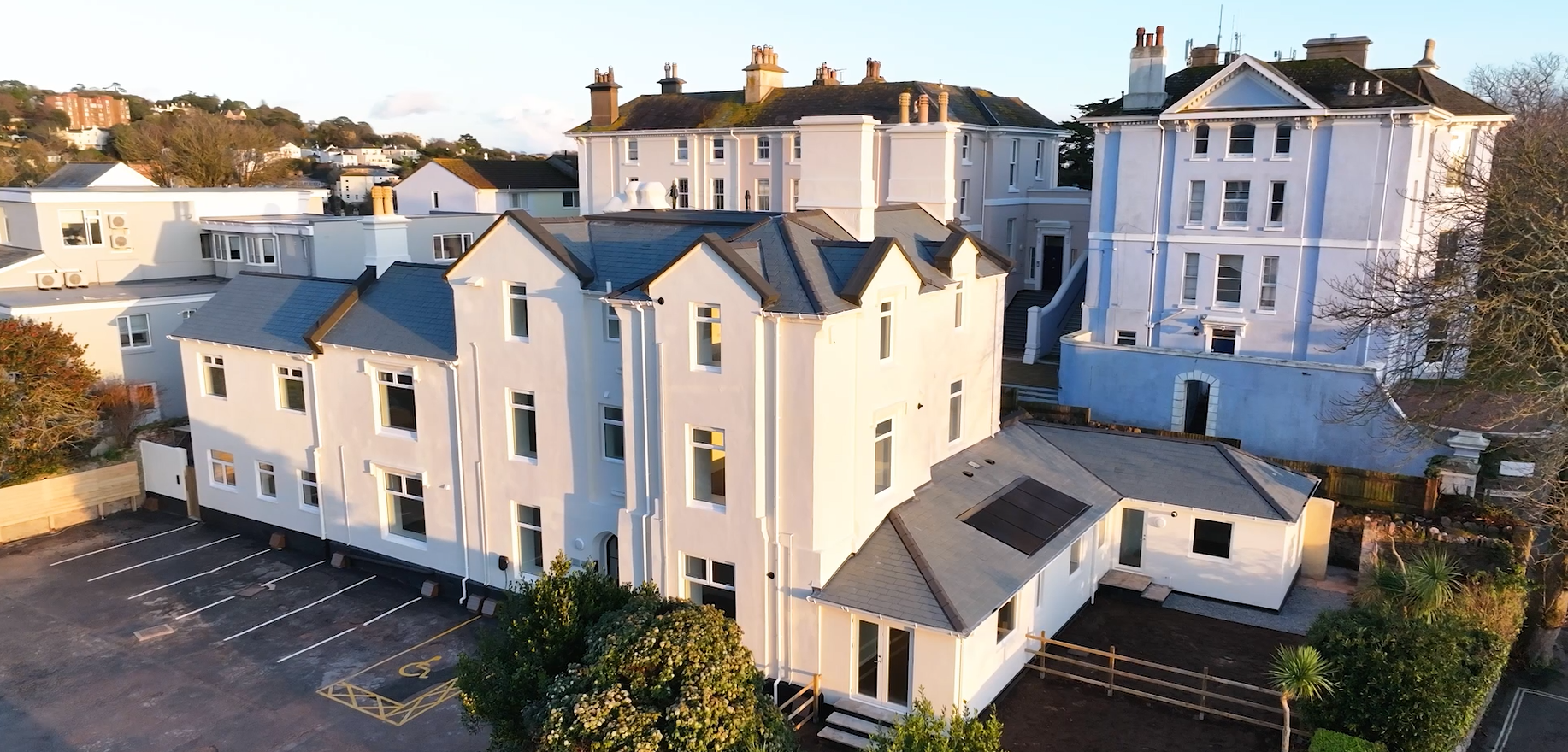
Brampton House is the first completed project within Torbay Council’s innovative Hotels to Homes programme—an initiative that transforms redundant hotel stock into high‑quality, affordable housing for local people. Delivered through a highly effective partnership approach, the former Brampton Court Hotel was fully converted into modern, energy‑efficient homes within an exceptionally fast 9‑month construction programme. What makes this a winning entry is its proven ability to tackle multiple community challenges at once:
- addressing acute housing need
- bringing derelict or under‑used buildings back into productive use
- regenerating local neighbourhoods
- maximising local economic benefit
The project demonstrates a scalable, repeatable model with huge potential for coastal communities facing similar pressures. Its successful delivery—six months ahead of schedule, on budget, and with substantial reinvestment into the local economy—sets a new standard for affordable housing delivery.
- Delivered 6 Months Early and On Budget Brampton House was handed over to Torbay Council six months ahead of programme while still meeting its full budget commitment. This is highly unusual for refurbishment schemes of this scale and complexity and demonstrates exceptional planning, contractor performance and project management.
- Over 82% of Spend Invested Back Into the Local Economy
The project generated outstanding social value, with £2.3 million of the £2.8 million total spend retained within Torbay and the surrounding area. The economic impact flyer shows:
- 73% (£1.8m) spent in TQ1–TQ9
- 10% (£243k) in neighbouring TQ14
- 13% (£309k) in EX postcodes
This demonstrates a commitment to using local contractors, suppliers and tradespeople—ensuring the project supported jobs, skills

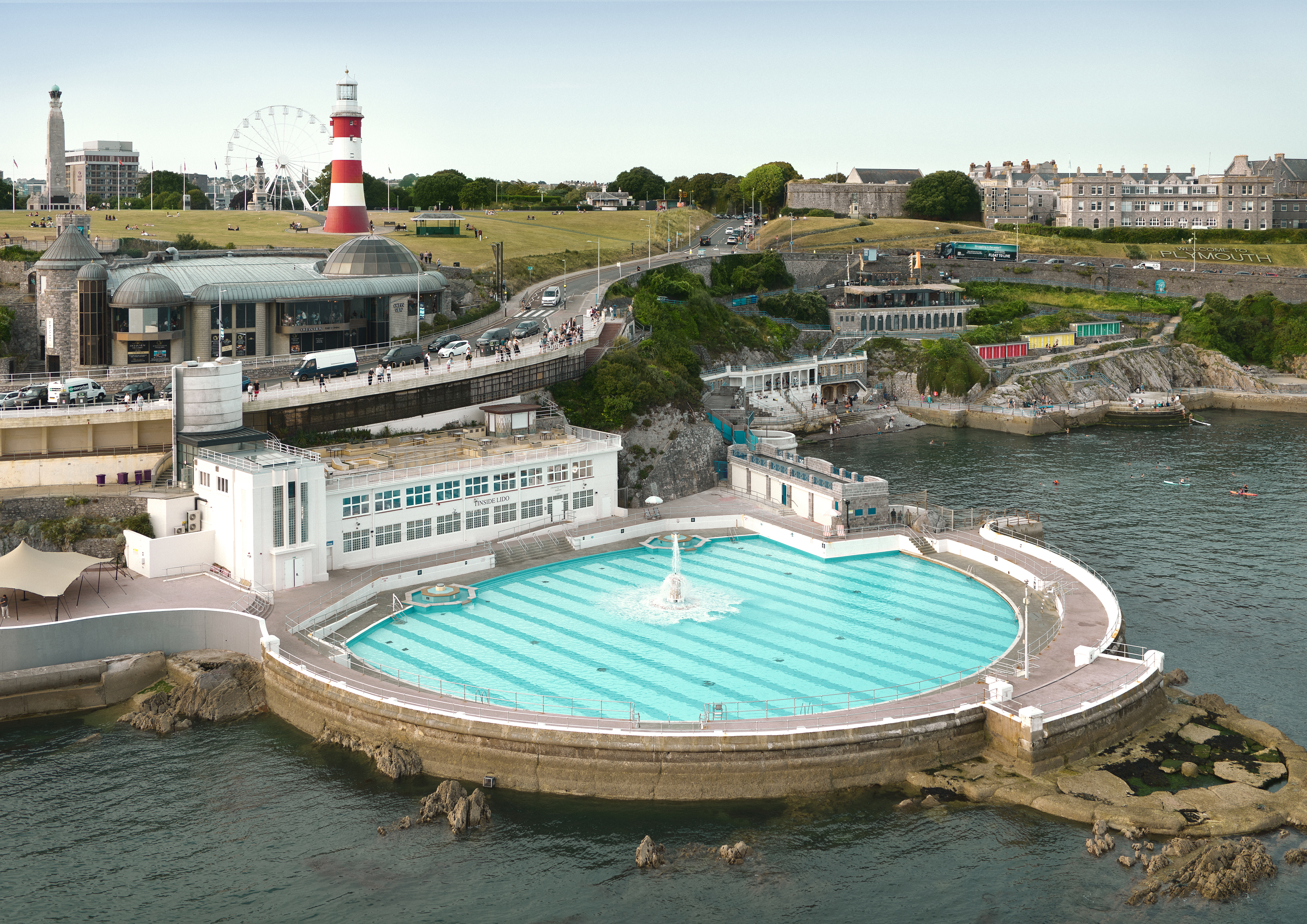
The Tinside Lido project represents the sensitive renewal of one of Plymouth’s most recognisable and historically significant coastal landmarks. Originally constructed in 1935 and designed in the distinctive Art Deco style, the Grade II listed lido has long served as an important civic space promoting recreation, public health and social interaction. Positioned prominently on Plymouth Hoe overlooking Plymouth Sound, it has played a key role in the city’s cultural identity for nearly a century. This project has successfully transformed a deteriorating heritage asset into a vibrant year-round community destination while safeguarding the building’s historic character.
Three key impacts:
- The restoration and repair of the listed building has preserved an important piece of Plymouth’s architectural and social history. Historic fabric has been retained wherever possible, with key features such as bronze windows, teak elements and stone detailing sensitively restored. This work has extended the life of the structure while maintaining its historic integrity.
- The refurbishment has reactivated previously underused areas and created welcoming spaces for events, education programmes, youth engagement and community activities. The development now supports a range of initiatives linked to the Plymouth Sound National Marine Park, promoting health, wellbeing and connection with the marine environment.
- Located in an exposed coastal setting, the building required specialist materials and techniques to withstand salt exposure and extreme weather conditions. Marine-grade repairs, flood-resilient design and sustainable material choices ensure the building is protected for the long term while reducing environmental impact.
Sponsored by


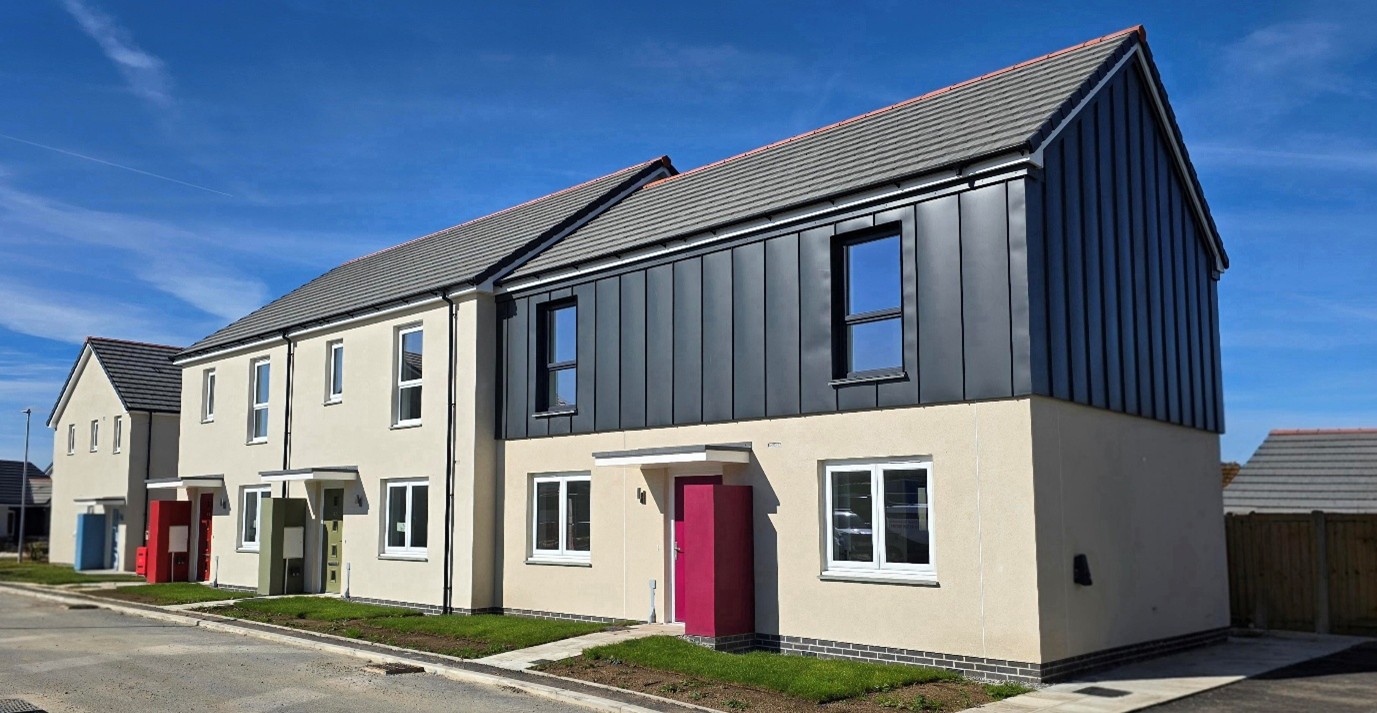
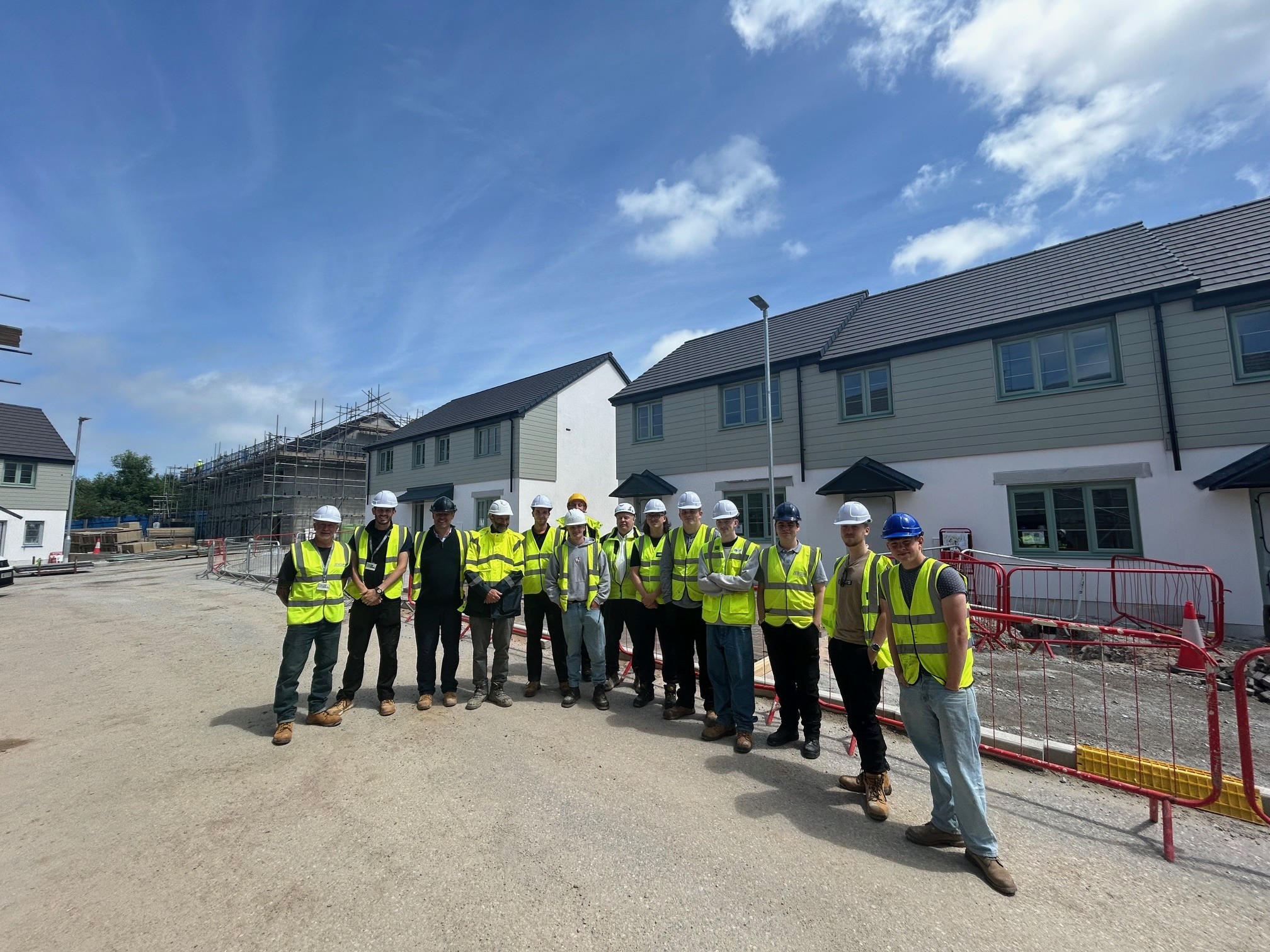
The Murdoch and Trevithick HRA Development (M&T) involves the redevelopment of a 1.6ha site in Redruth, previously occupied by a training centre, school, respite centre and hostel. The project therefore, included the demolition of existing buildings and construction of a new housing development regenerating the site. The site itself was problematic for several reasons including contamination in the form of asbestos, Japanese Knotweed, and it's location adjacent to a primary school, mainline railway track, and proximity to housing and offices. Redruth is a town in Cornwall, historically known for its mining heritage, however, more recently this area has faced significant challenges around affordable housing due to high demand, limited supply, and local economic factors. Redruth is noted as having some of the most deprived neighbourhoods in the Country and there are over 800 families on the housing register within the parish, demonstrating the acute need for quality housing. Originally, Homes England funding was secured for the demolition, which was completed in 2017. Grant funding was also provided for the new build housing, which includes the provision of 52 affordable and social rent units. The development also includes parking, green spaces, and shared areas to create a sense of community. Construction commenced in 2021, however, the contractor - Midas Construction went into administration later that year; significantly impacting the project. The site fell into a poor state with trespassing and damage occurring to the partially built properties. Subsequently Cornwall Council (CC) had to undergo a process of liaising with the administrator, surveying of existing assets, site remediation, demolition works, and re-procurement of a new contractor. Following a competitive tender process, the Contractor, Classic Builders (CB) was appointed in 2024, who were responsible for completion of the design and the delivery of the scheme. Project highlights include:
- Regeneration: transforming a site in center of Redruth to deliver high-quality housing and revitalise the area.
- Affordable housing: delivering 52 affordable and social rent homes to help meet critical local housing needs.
- Resilience and progress: advancing a long-awaited project that has successfully navigated challenges and contractor insolvency.
Sponsored by

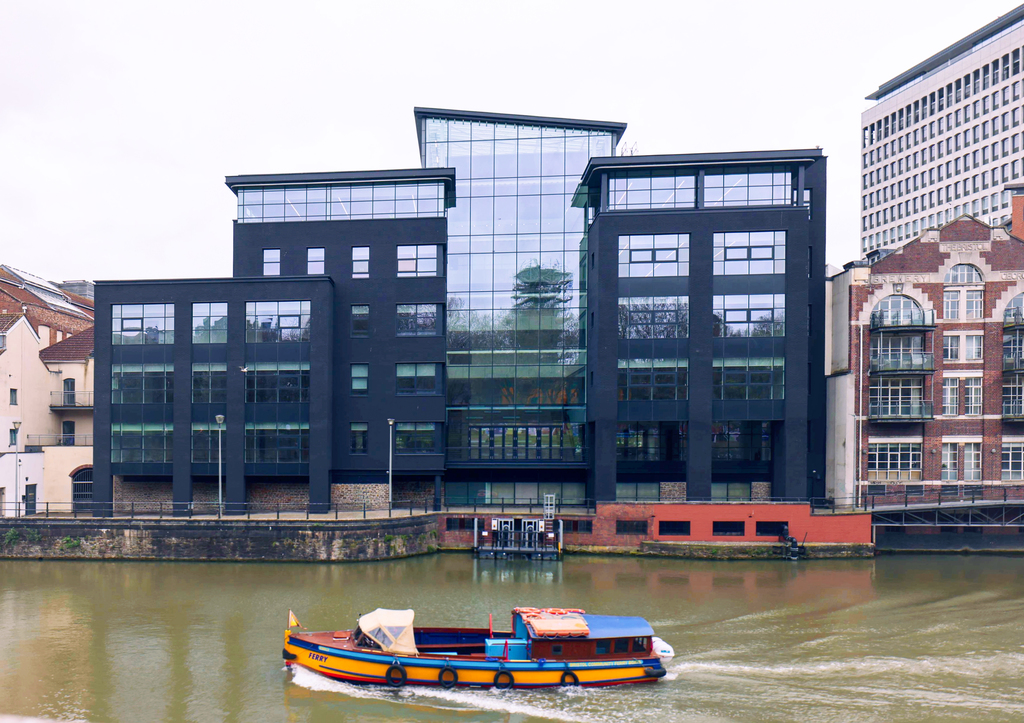
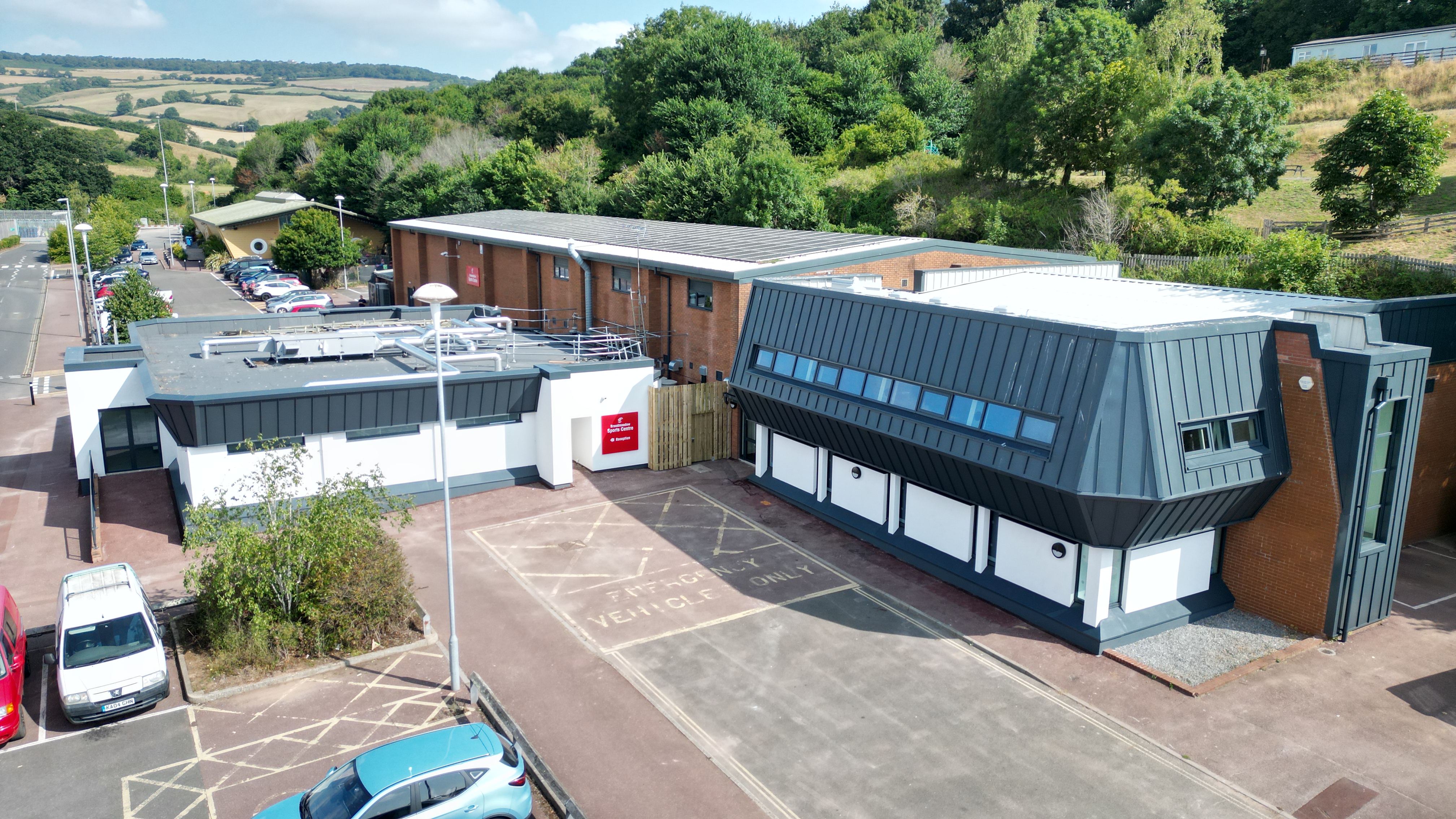
The Broadmeadow Sports Centre Decarbonisation and Refurbishment project represents a key initiative in delivering Teignbridge District Council’s goal of achieving a carbon-neutral district. The project centred on two primary objectives: decarbonising the centre and enhancing its sports and fitness provision to better align with evolving local community needs. The fulfilment of these objectives has reinvented the centre as a modern and vibrant hub for health and wellbeing. The 1980s facility had become inefficient, uncomfortable and provided a poor customer experience. Through a holistic retrofit strategy—including air‑source heat pumps, enhanced insulation, heat‑recovery ventilation, LED lighting, and a shift to fully electric operation—the centre now performs to EPC A‑rating standards. At the same time, extensive upgrades to the gym, studios, changing facilities and accessibility have dramatically improved user experience. The impact has been immediate: the client’s five‑year membership target was reached within eight months of reopening. This project is a prime example of how ambitious sustainability goals, community priorities and effective retrofit practices can come together to breathe new life into an ageing public asset. It showcases exceptional collaboration between client, designers and contractors under tight programme and funding constraints, demonstrating what is achievable even within complex existing structures.
Key stand-out facts:
- 85% carbon reduction and transformation to a zero‑carbon‑ready, all‑electric building.
- Significant community benefit, with exceptional membership growth and enhanced wellbeing provision.
- A model retrofit project, combining technical rigour, innovative design and strong stakeholder collaboration to set a benchmark for future public leisure facilities.

Sponsored by

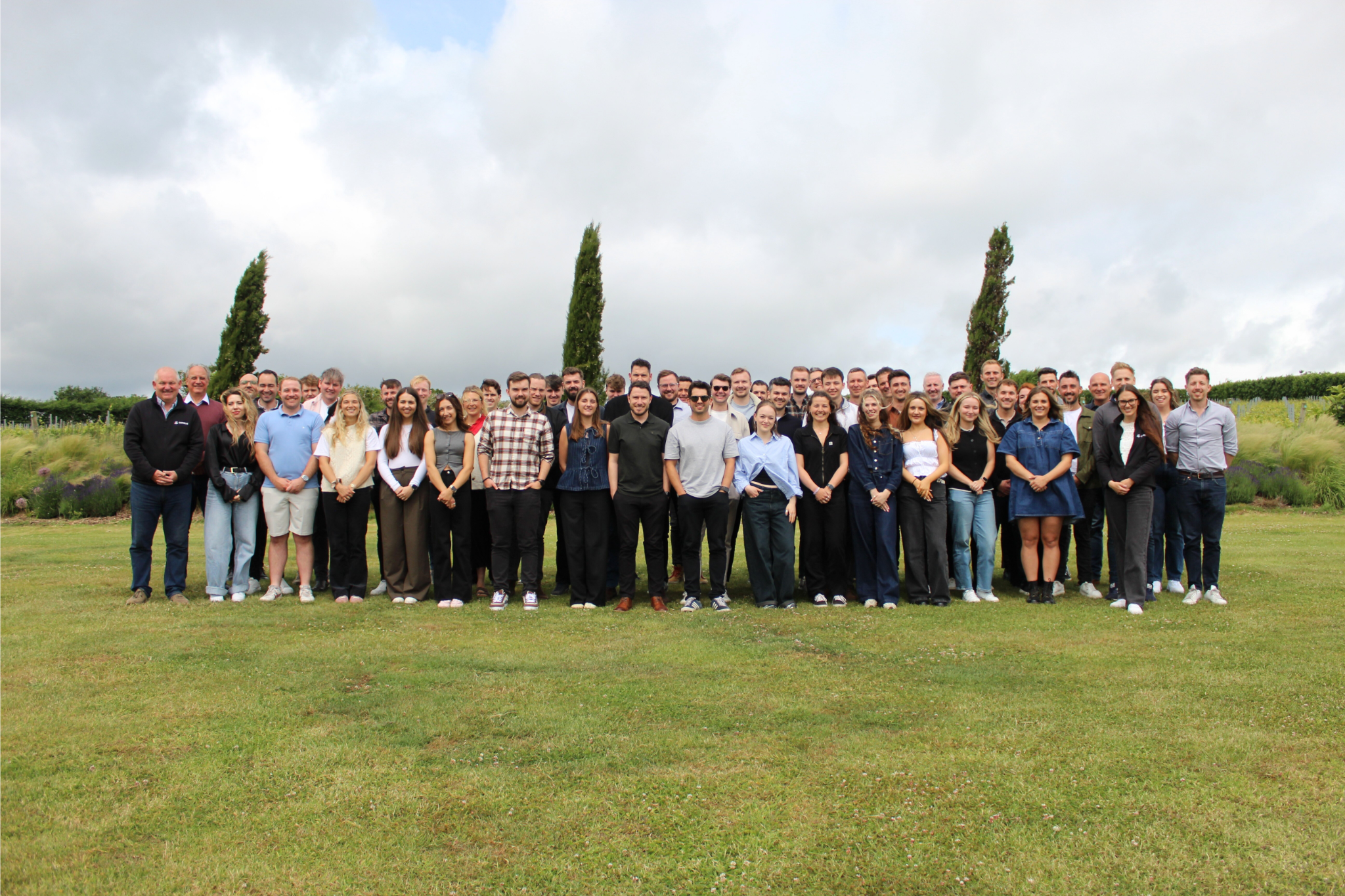
Coreus is an award-winning, high growth consultancy founded in the South West and now expanding nationally. Defined by our energy, ambition and a positive can do mindset, we go above and beyond for our clients, our people and the communities we serve. Our purpose, to be exceptional in everything we do, drives every decision. We combine commercial excellence with a people first culture, challenging traditional consultancy models through innovation, transparency and genuine social value. This approach enables us to grow responsibly while delivering consistently high quality outcomes.
Key facts we are proud of:
- Exceptional, sustained growth Over 300 commissions delivered, with turnover increasing by more than 70% in the past two years and continued expansion into new regions.
- Industry-leading client satisfaction 91% CSAT demonstrating strong client trust, repeat business and consistent delivery.
- A people-first, future-focused culture Unlimited leave, flexible working and a market-leading family package, alongside structured development pathways. Apprentices now make up over 10% of our team and women represent 36%, significantly above industry average.

In May 2026, Devon Contractors celebrates an exceptional milestone — 80 years in business. In an industry defined by change, this longevity reflects resilience, trust and consistent delivery across generations. From our roots in the South West to delivering complex, high-quality projects today, we have built a reputation founded on strong relationships, skilled people and doing things the right way. Devon Contractors is a trusted regional contractor operating across projects typically ranging from £1m–£20m, combining traditional values with a forward-thinking approach to sustainability, social value and collaborative delivery. This submission stands out through our consistent delivery of high-quality projects, supported by a strong people-first culture and a deep-rooted commitment to the communities we serve.
Three key facts that make Devon Contractors stand out:
- Proven delivery of high-quality projects – Including Langage South (BREEAM Excellent & Net Zero Carbon), BOWA Medical UK HQ and the University of Plymouth Dental Centre, demonstrating capability across multiple sectors.
- Recognised excellence – Winner of the Nottys Construction Champions Award 2025, reflecting both project delivery and company culture.
- Strong heritage with future focus, 80 years in business, underpinned by long-term relationships, repeat clients and continued investment in innovation, sustainability and skills.
Devon Contractors continues to evolve while staying true to its core values, delivering projects that create lasting economic, environmental and social value across the South West.
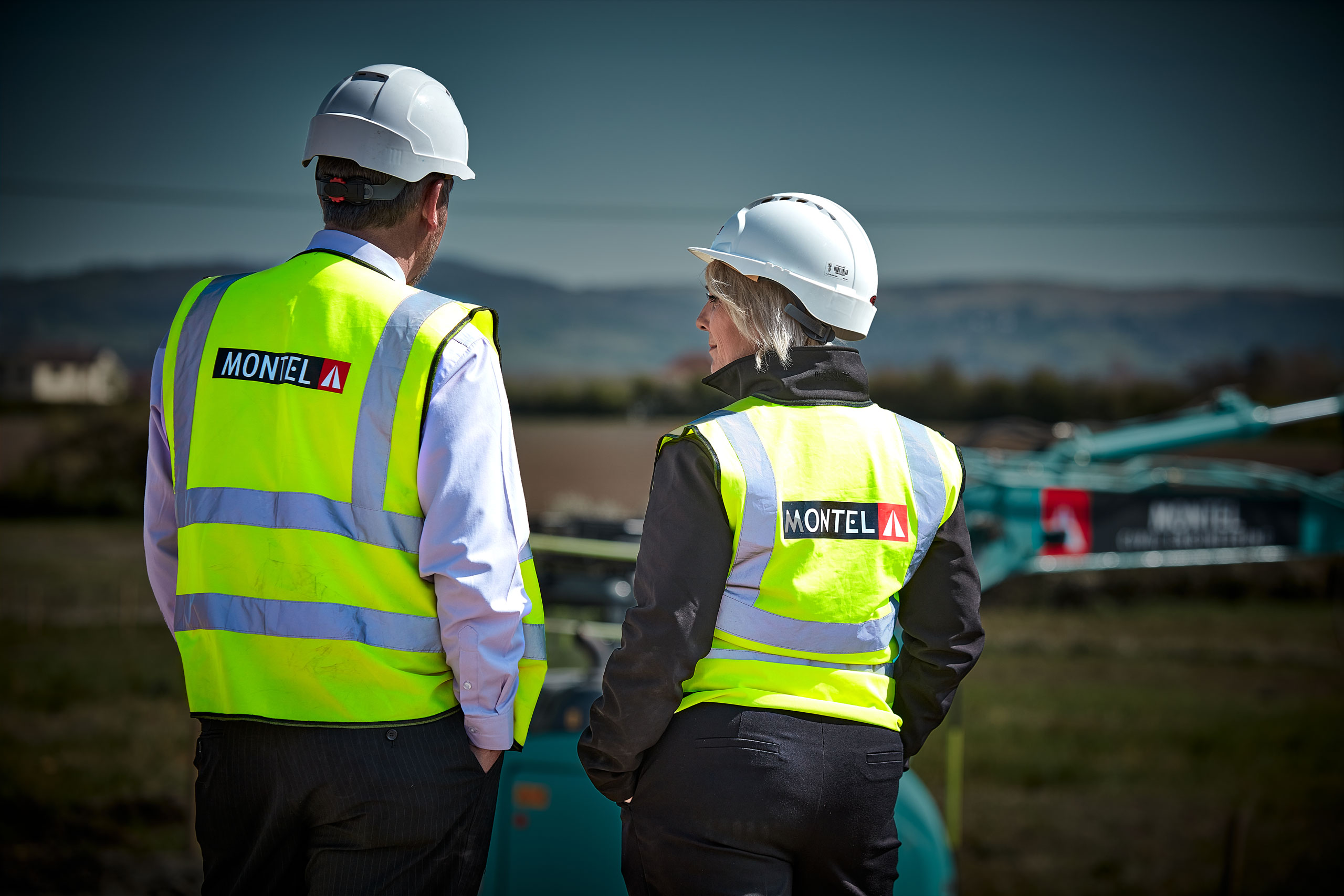
At Montel, our people and the culture they have built drive how we perform, grow and deliver projects that strengthen infrastructure and support the communities we serve. This people-focused culture shapes how we operate, ensuring projects are delivered safely, efficiently and to consistently high standards while supporting the development of future industry professionals. Managing infrastructure projects across highways and S278 works, water, flood defence, bridges and structures, we deliver schemes requiring coordination with multiple statutory undertakers and compliance with agreements including S278, S38, S104, S185 and S50. Through consistent delivery across these sectors, projects progress with confidence, building long-term relationships founded on trust, collaboration and consistent performance, recognised through outstanding client feedback, trusted stakeholder relationships and a portfolio of leading industry accreditations. This growth has been driven by sustained demand for delivery capability, enabling the business to expand from £26 million turnover to £44 million within twelve months, with £60 million forecast for 2026. As an Institution of Civil Engineers (ICE) Approved Employer, we provide a pathway from apprentice through to Chartered Engineer, supported through mentoring, accredited training and project delivery experience that strengthens technical capability, develops leadership and ensures our workforce grows alongside the expansion of the business.
Three Key Facts:
- Business Growth: Turnover increased from £26 million to £44 million within twelve months, with £60 million forecast for 2026.
- Developing Future Leaders: The Montel Associate Board brings emerging leaders into strategic discussions alongside senior management.
- Investing in Professional Excellence: ICE Approved Employer status supports progression
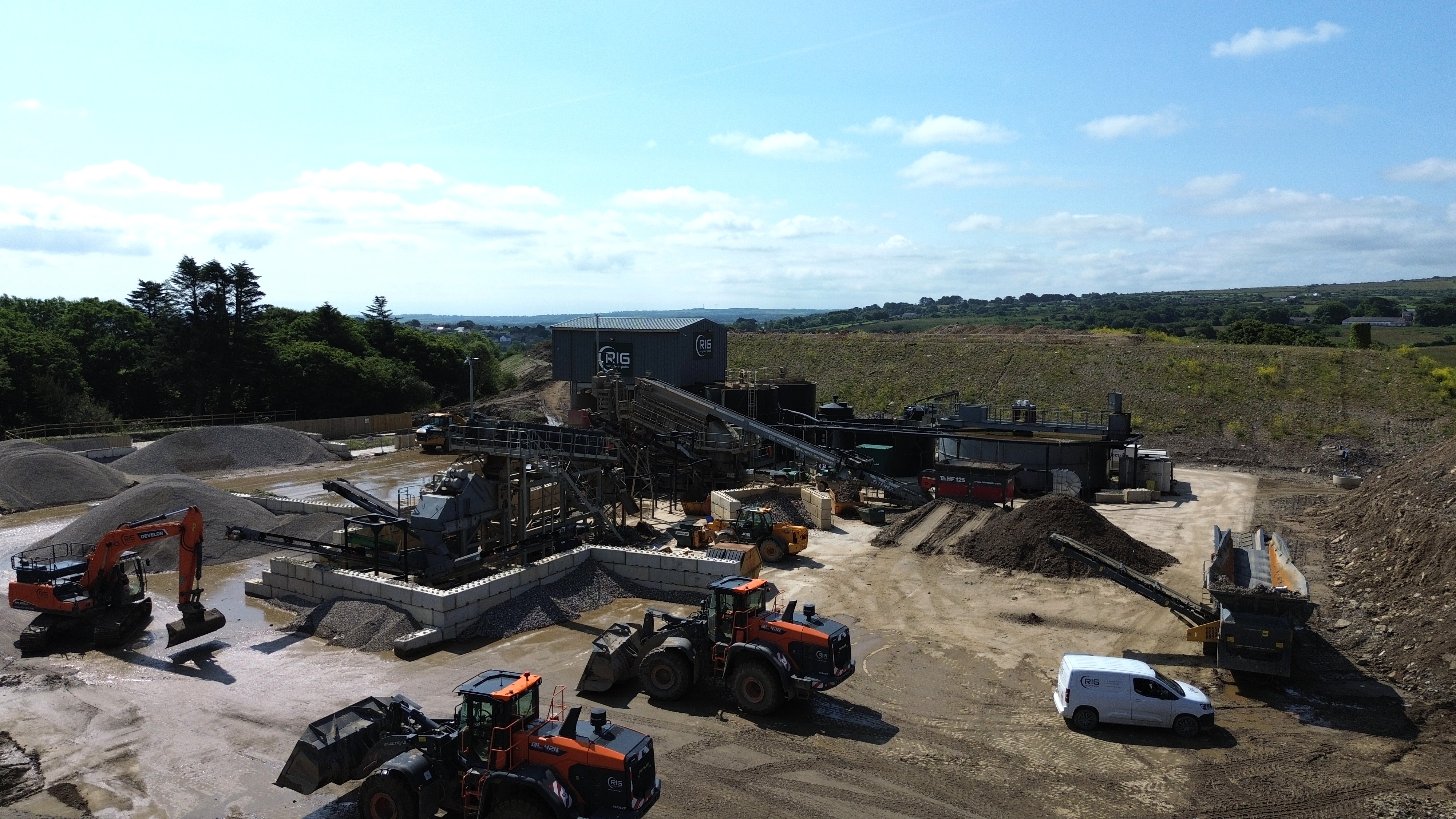
Recycle it Global (RIG) is an environmental engineering and resource recovery company supporting the construction sector across the South West. We specialise in transforming complex waste streams, including soils, excavation arisings and dredged materials, into high-quality recycled aggregates, helping developers and contractors deliver projects more sustainably. Operating across five sites in a highly regulated industry, RIG has built a strong reputation for reliability, technical expertise and environmental responsibility. Processing approximately 120,000 tonnes of material annually, we combine scale with precision, supported by advanced wash plant technology, robust compliance systems and internationally recognised ISO standards to ensure safe, transparent and high-quality operations. Innovation is central to our growth. Through an Innovate UK funded Knowledge Transfer Partnership with the University of Plymouth, we are developing marine bioremediation technology to treat contaminated dredged materials and convert them into usable construction resources, positioning RIG at the forefront of circular economy innovation. Alongside this, we invest in people and capability through structured training, apprenticeships and internal progression, creating a skilled workforce to support continued growth. By combining environmental innovation, operational discipline and collaboration, RIG is helping reshape how construction waste is managed, reducing landfill reliance and strengthening local supply chains.
What makes us stand out:
- Multi-site recycling infrastructure across the South West
- Strong workforce development and internal progression
- Innovation-led environmental engineering through academic collaboration

Rubicon Wigzell (RW) is a specialist Lean consultancy that partners with major UK infrastructure clients to improve productivity, culture, collaboration and programme performance. Our business model is built around a network of highly skilled Lean Associates and Specialist Partners, enabling us to provide expert-led support delivery from day one. We support organisations across highways, rail, energy and utilities through a combination of behavioural change, systems thinking and technical Lean methods and key enablers to helping complex programmes run safer and more efficiently. RW’s 2025 performance was driven by our transformation strategy to grow from £1m to a £5m consultancy by 2030. 2025 focused on strengthening internal business management systems, leadership expansion, diversifying revenue streams and targeted customer engagement. Despite our size, we consistently outperform larger consultancies by embedding ourselves collaboratively within client teams, developing a “One Team” culture and delivering measurable, repeatable high impact results. What makes this a winning entry? RW exemplifies what an SME can achieve when it stays specialist, people focused and purpose driven. We deliver exceptional client outcomes, reinvest in our people, expand opportunities for new entrants, and operate with integrity and transparency.
Three stand out facts:
- 61% repeat business across client organisations and 32% repeat commissions with the same Project Leads.
- 38% growth in Associate team and expanded leadership with increased gender diversity.
- Proven, high impact delivery including 30–40% reductions in rework and lead time, £21m verified client savings, and >50% CO₂ reductions on major programmes.
Sponsored by
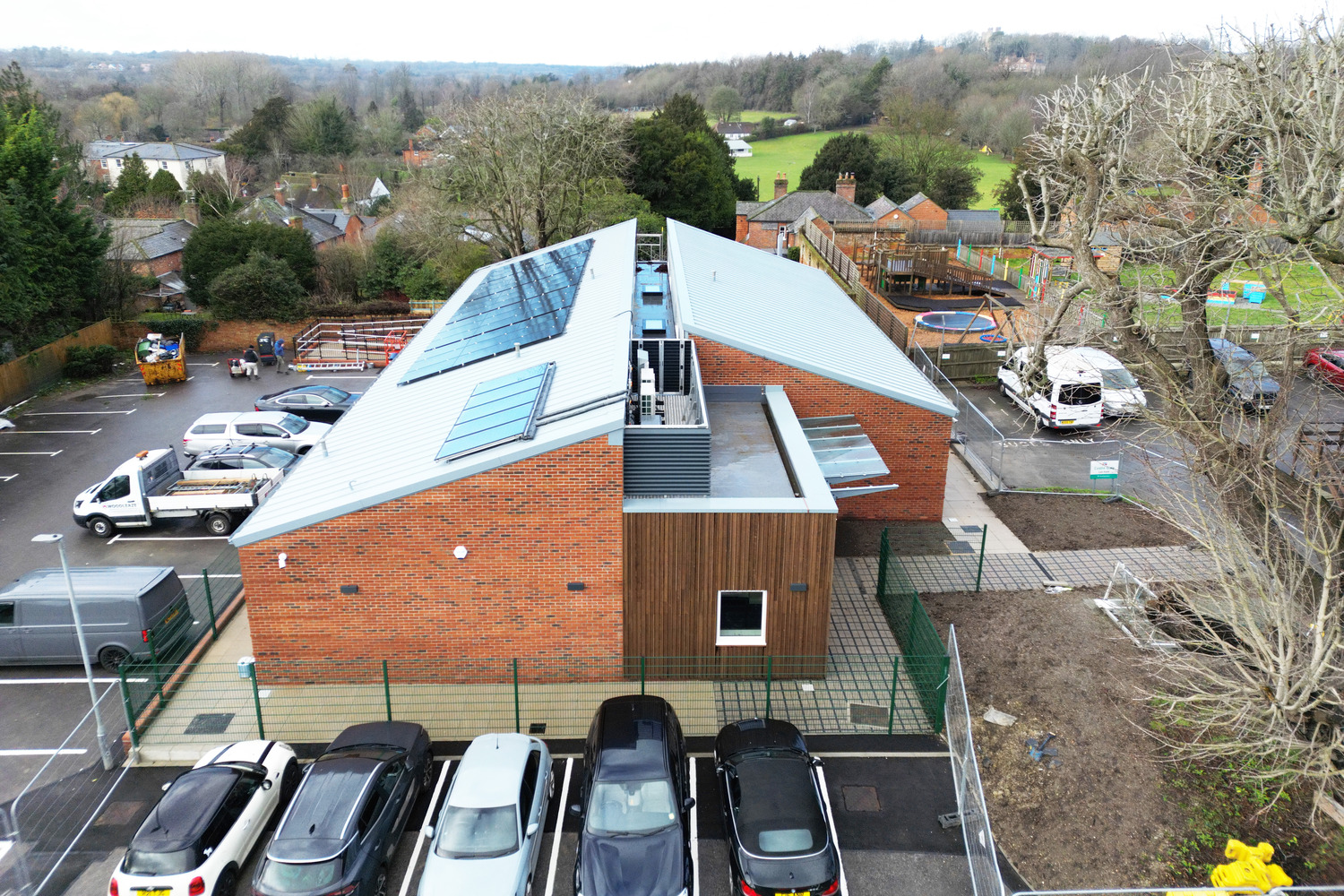
Beard is a family‑owned contractor delivering high‑quality projects across the South of England with a strong commitment to purposeful, community‑focused construction. Our approach to social value is rooted in inclusion, long‑term impact and placing people at the heart of every build. At Castle School, we created a tailored impact plan aligned to West Berkshire Council and the school’s World of Work priorities, capturing measurements and evidence against each pledge. Using Compliance Chain, we quantified £1.95m of additional social and local economic value (88% of contract value). Alongside constructing a new four‑classroom teaching block to BREEAM Excellent standard, we embedded a deeply person‑centred programme for SEND learners - linking sustainable, high‑quality learning environments with skills development and long‑term community benefit. Aligned to the school’s World of Work agenda, activities were purposeful, measurable and directly responsive to the needs of SEND learners, including:
- Build with Ambition workshop
- 36 apprentice weeks
- Bespoke construction industry careers hoarding
- Targeted donations strengthened learning and performance spaces
- Enterprise activities: students designed, decorated and sold products at Newbury Market - building confidence and employability skills. Measured outcomes, inclusive delivery and a BREEAM Excellent asset demonstrates holistic, lasting value for the Castle School community.
Three highlights:
- Prioritised accessibility and inclusion for SEND learners, boosting real skills - from enterprise and creativity to industry awareness.
- Deep engagement across the supply chain to drive measurable impact.
- Targeted MSME investment: 8% of contract to local micro and small enterprises, strengthening local skills and economy.
GriffithsFarrans JV
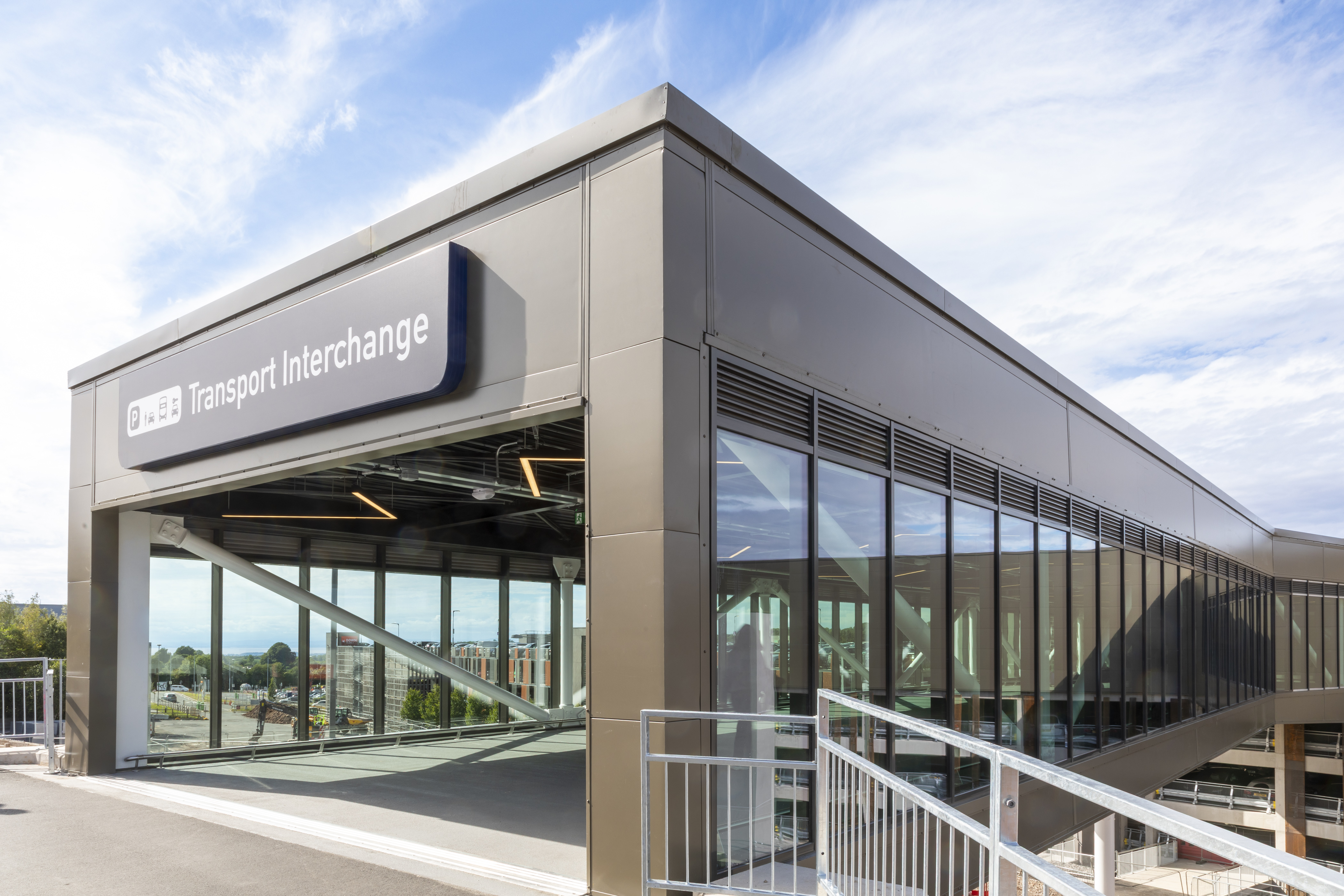
The Bristol Airport Public Transport Interchange (PTI) is a standout example of how major infrastructure can deliver meaningful, measurable social impact. Delivered by the Griffiths Farrans JV, the project created the region’s largest integrated transport interchange while generating £14.5m in Social Value - equivalent to 26% of the total contract value. This was achieved through a purposeful, community‑focused programme that strengthened local employment, skills, education and charitable support across the South West. The project delivered 18 apprenticeships, 2 T‑Level placements, over 6,000 apprentice hours, 4,080 hours of workforce training, and more than 500 hours of STEAM educational outreach. It also supported under‑represented groups, including refugees, long‑term unemployed people, women and individuals with disabilities. Nearly 500 volunteer hours and £56,942 in community donations helped local charities and social enterprises, while the partnership with Great Western Air Ambulance Charity raised over £210,000 and funded a new critical‑care response vehicle. Local economic impact was equally significant, with £14.5m spent with local suppliers and SMEs, far exceeding project targets and strengthening the regional supply chain.
Three standout facts
- £14.5m Social Value created, including £14.5m in local procurement.
- A major skills legacy, with 18 apprentices, 2 T‑Level students and extensive training and outreach.
- Transformational community impact, including £210,000 raised for GWAAC and a new emergency response vehicle delivered.
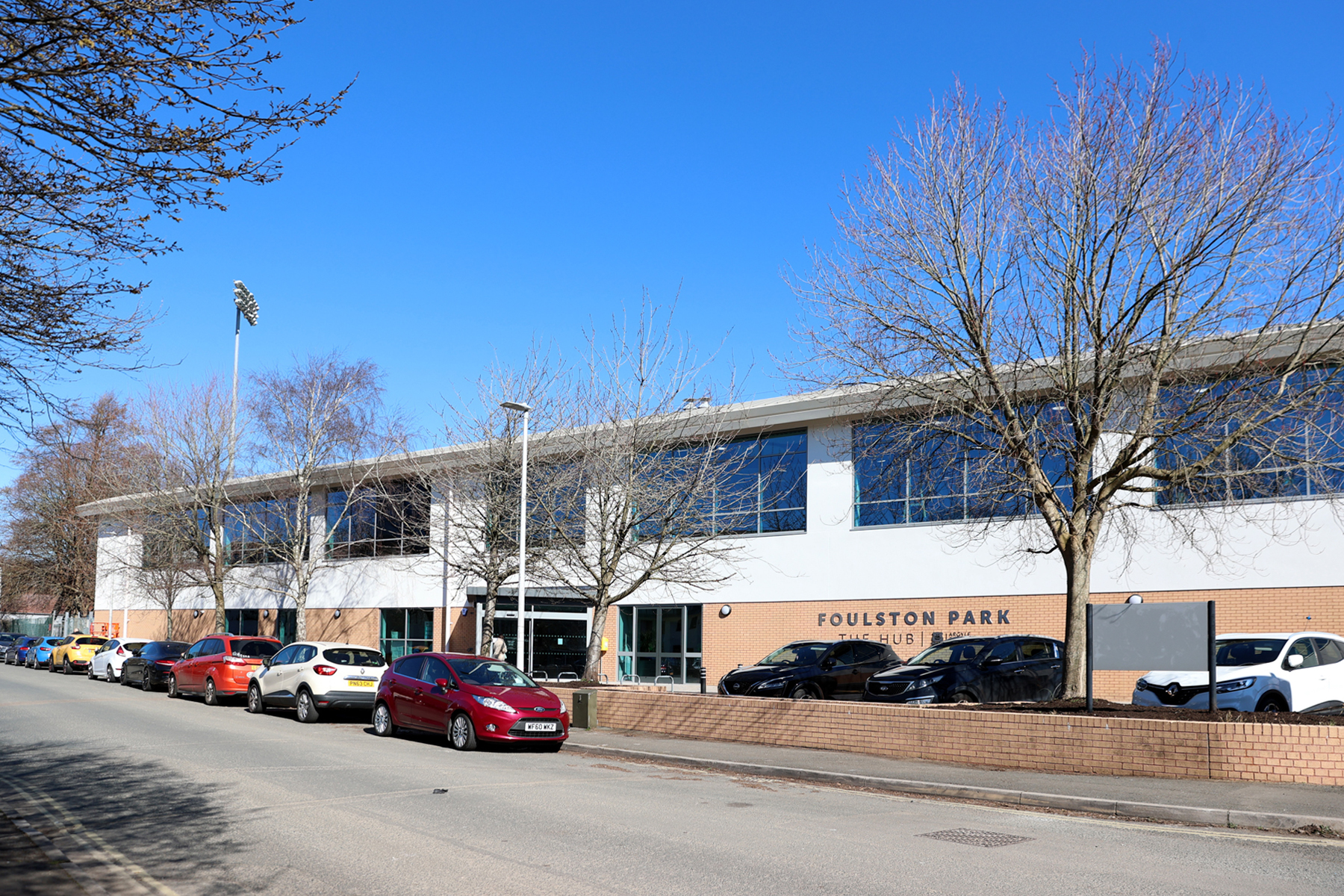
The Hub at Foulston Park is the regeneration of an underperforming leisure centre in Devonport into a multi-faculty wellbeing hub.
- It is a flagship for sustainable, inclusive, community-centred regeneration, generating measurable social and economic value
- It was designed to ensure inclusive access, particularly for low-income families, ethnically diverse communities, women and girls, and people with disabilities. It also introduced on-site education and employment pathways to support local people into training and work
- In its first year, it delivered over 16,000 hours of provision and supports 800+ local gym members. 70% of users come from the most deprived areas
At its heart is a welcoming reception area linking residents to sports, health and learning opportunities. The activities hall hosts sports sessions, community events and family programmes, delivering 326 sessions and 3,729 attendances last year. A Health Room provides smoking cessation, NHS Health Checks and rehabilitation programmes, embedding preventative healthcare within a trusted local setting. An Employment & Skills Zone offers digital training, CV guidance and job-seeking support, while the classrooms delivers qualifications and alternative provision. Changing facilities also serve as a warm space for residents in need. The studio hosts wellbeing groups, veteran sessions and youth support. A gym provides affordable fitness options, complemented by soft play, a sensory zone and an eSports arena promoting STEM skills. A community café reduces isolation and provides affordable refreshments. With facilities spanning sport, soft play, education, employment and health services, it is tackling inequalities within the area to prompt social regeneration.
Sponsored by


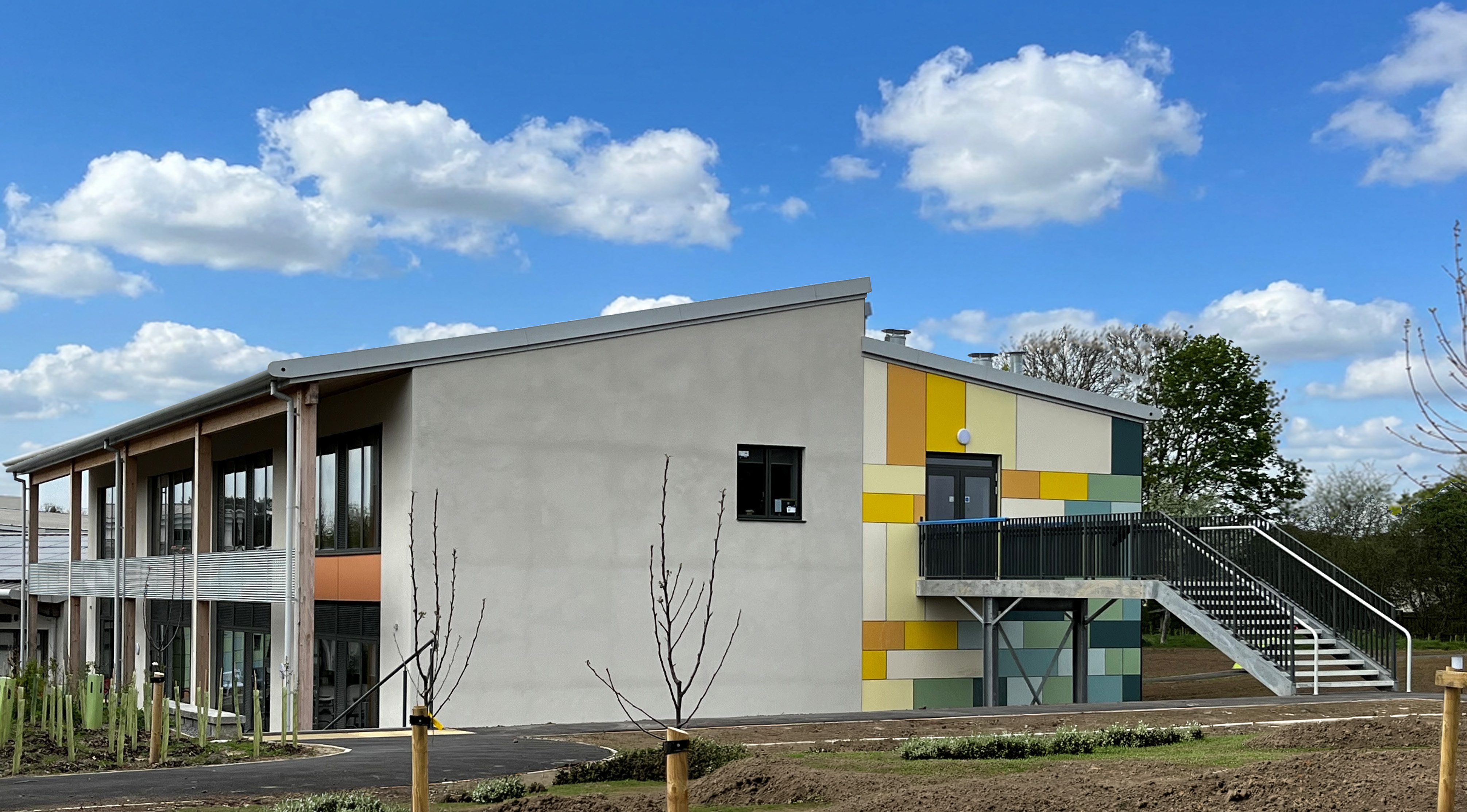
Crofts House transformed a contaminated former garage court in Sandford into five SAP 100A+ social-rent homes, proving that constrained rural brownfield sites can deliver exceptional sustainability outcomes through MMC. Delivered by ZED PODS with Mid Devon District Council, the scheme combines fabric-first design, air-source heat pumps, MVHR, photovoltaics and ISO 19650 digital delivery to achieve operational zero carbon, verified whole-life carbon reduction and ecological enhancement. Factory-led delivery reduced programme, waste, traffic and disruption, while creating a repeatable model for rural affordable housing with strong resident and community support. Three key facts that make Crofts House stand out:
- Verified environmental performance: embodied carbon of 425 kgCO₂e/m², 47% below RIBA 2025 targets; regulated demand of 31 kWh/m²/year; 13,500+ kWh annual renewable generation; 11 tonnes of CO₂ and 160,020 litres of water saved each year.
- MMC reduced impact at every stage: 80%+ PMV, 50% programme reduction, two-day installation, reduced vehicle movements, lower site waste, and circular factory processes including packaging return, Rockwool recycling and fully electric factory vehicles and machinery.
- Legacy beyond one site: 100% resident satisfaction, 216 applications for five homes, and a delivery model now informing a pipeline of 143 further homes across 11 rural micro-sites.
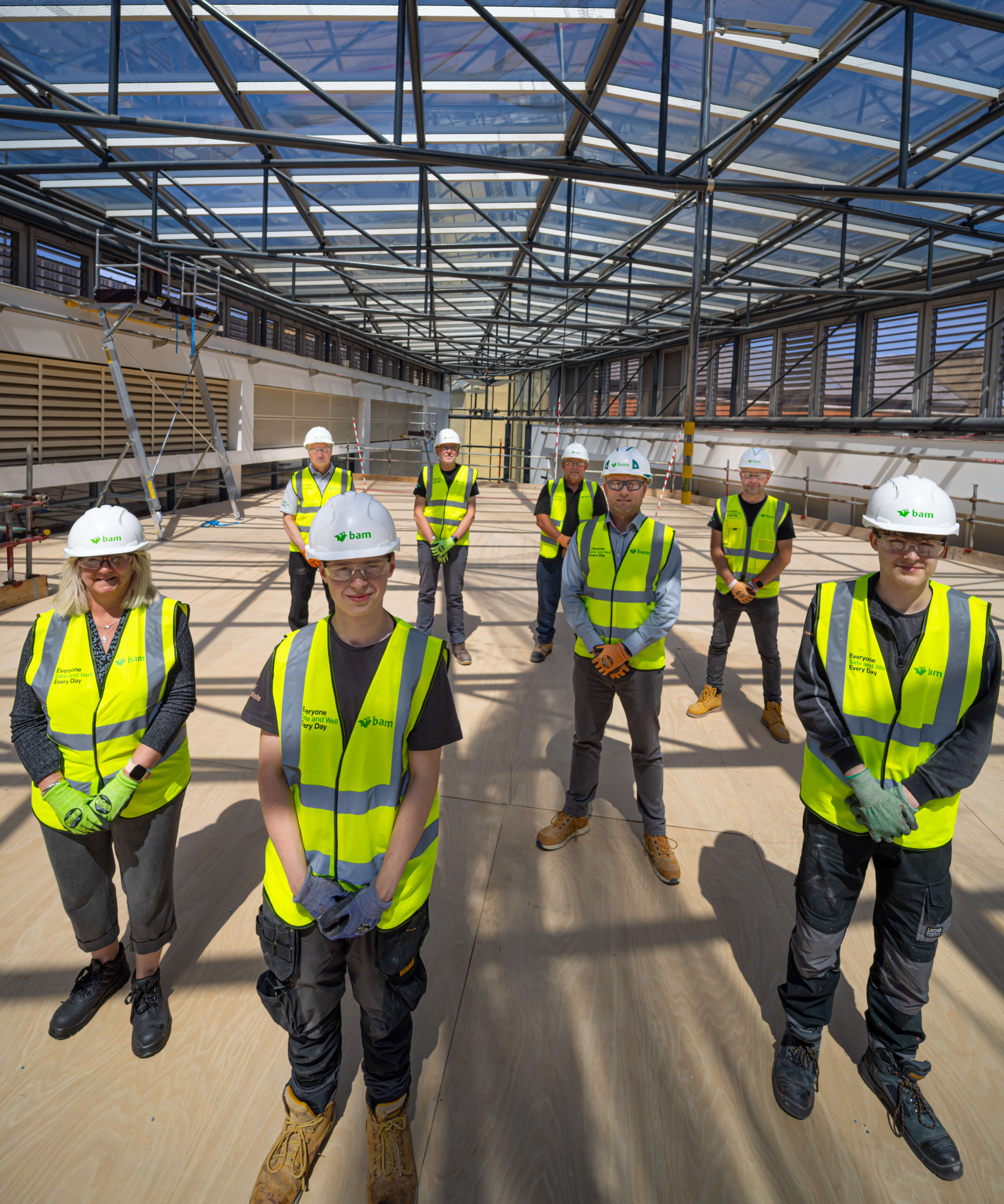
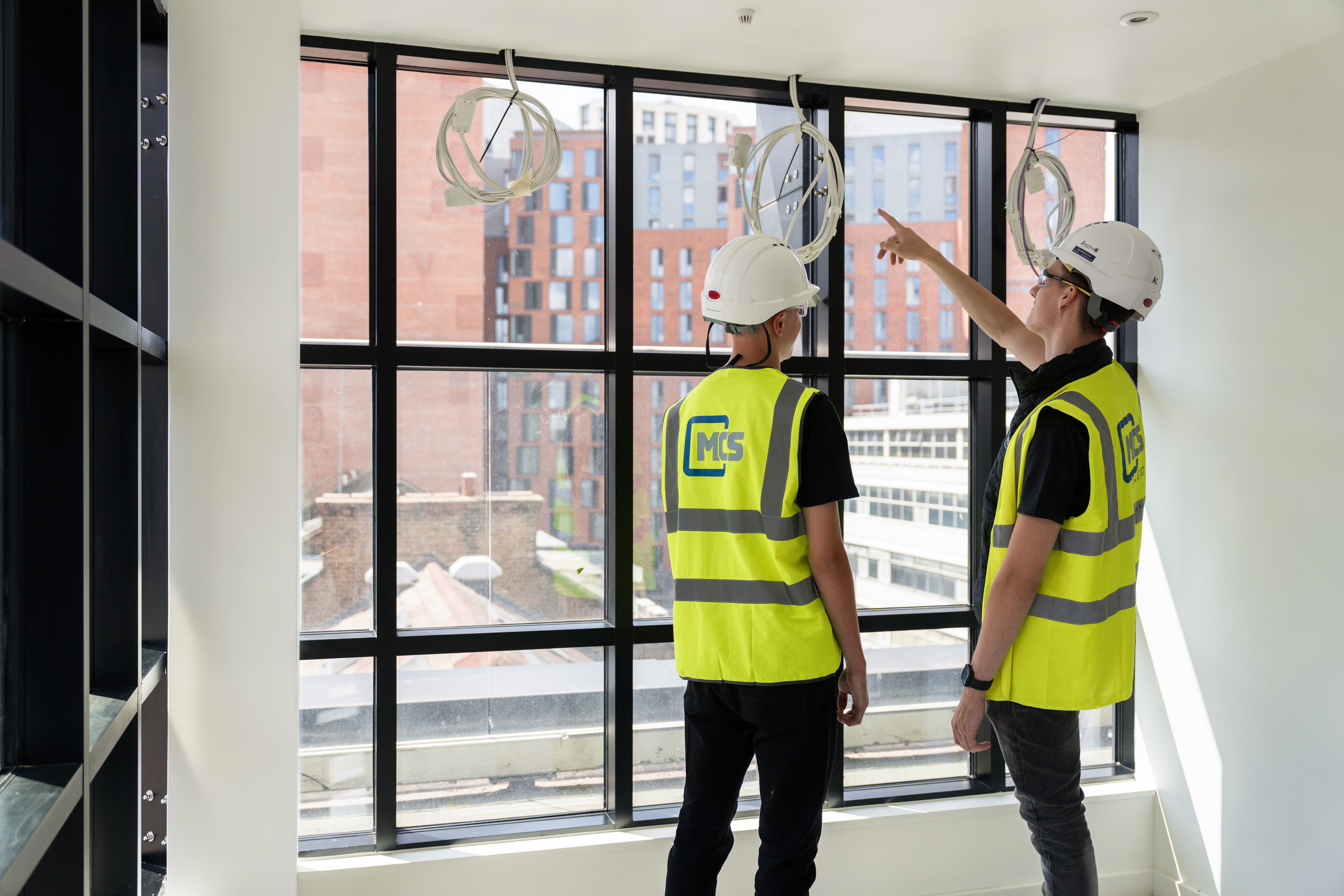
Temple Quay House is a £40m refurbishment of a six-storey government office building in Bristol delivered by BAM Construction for the Government Property Agency. The project demonstrates how circular economy principles can significantly reduce environmental impact while modernising an existing building to meet current safety, sustainability and workplace standards. Working in close collaboration with the client, design team and supply chain, the project challenged traditional “strip-out and replace” refurbishment approaches. Instead, the team prioritised retaining, refurbishing and redistributing materials wherever possible to minimise embodied carbon and waste. This included retaining existing ductwork, refurbishing raised access flooring, upgrading existing acoustic lighting rafts with energy-efficient LED technology, and redistributing materials such as carpet tiles through partnerships with organisations including Collecteco and Bristol Wood Recycling. By embedding circular thinking throughout the project lifecycle, the team achieved approximately 600 tonnes of embodied carbon savings, demonstrating the significant environmental benefits that refurbishment and material reuse can deliver. Alongside these environmental outcomes, the project generated substantial social value through partnerships with local organisations, charities and community groups. Temple Quay House provides a strong example of how collaborative delivery, circular economy principles and data-driven decision making can transform an existing building while delivering meaningful environmental and social outcomes.
Three Key Facts
- 600 tonnes CO₂e saved through circular refurbishment and material reuse (Still rising)
- 4,000m² of carpet tiles reused generating £48k community value
- £12m Social Local Economic Value delivered and 107 local employment opportunities created